

Career Change Stories
Real stories from graduates who followed a passion for gardens and built a new career in design.
There is no single path to becoming a garden designer.
Before studying garden design, our graduates have worked in healthcare, education, law, business, construction and the creative arts. Some had thought about garden design for years. For others, the possibility emerged as their lives, priorities or interests changed.
What they share is a love of gardens, and the decision to see where that could take them.
These are their stories.
DIRECTOR | SARAH MCLAUCHLAN GARDENS
Sarah McLauchlan
Physiotherapist. Jewellery maker.
Demolition company director. Garden designer.

She wasn't looking for a new career. She was following an old dream.
There's a moment Sarah McLauchlan describes that most people will recognise: the feeling of losing yourself so completely in something that hours pass without you noticing.
She was at a friend's house, looking at a landscape plan they had been given for a courtyard renovation. Sarah thought she could do better. She sat down, started sketching alternatives by hand, and somewhere in the middle of it, time stopped.
When she surfaced, her husband looked at the drawings and said:
"Why don't you finally go and study garden design?"
That was it. The moment a long-held dream became a decision.
What makes Sarah's story so compelling is how much life happened before that moment.
She trained as a physiotherapist. She took a year off to design and make jewellery, running her own small business. She even enrolled in a landscape design course at Swinburne, only to pause when she started a family. Then, for close to a decade, she ran a commercial demolition company in Melbourne with her husband, managing everything from WHS and HR to government tenders, payroll and procurement, while raising her children and growing what she called her "urban farm": a productive patch, a micro-orchard, chickens and rooftop bees.
She was good at all of it. But something was always pulling her elsewhere.
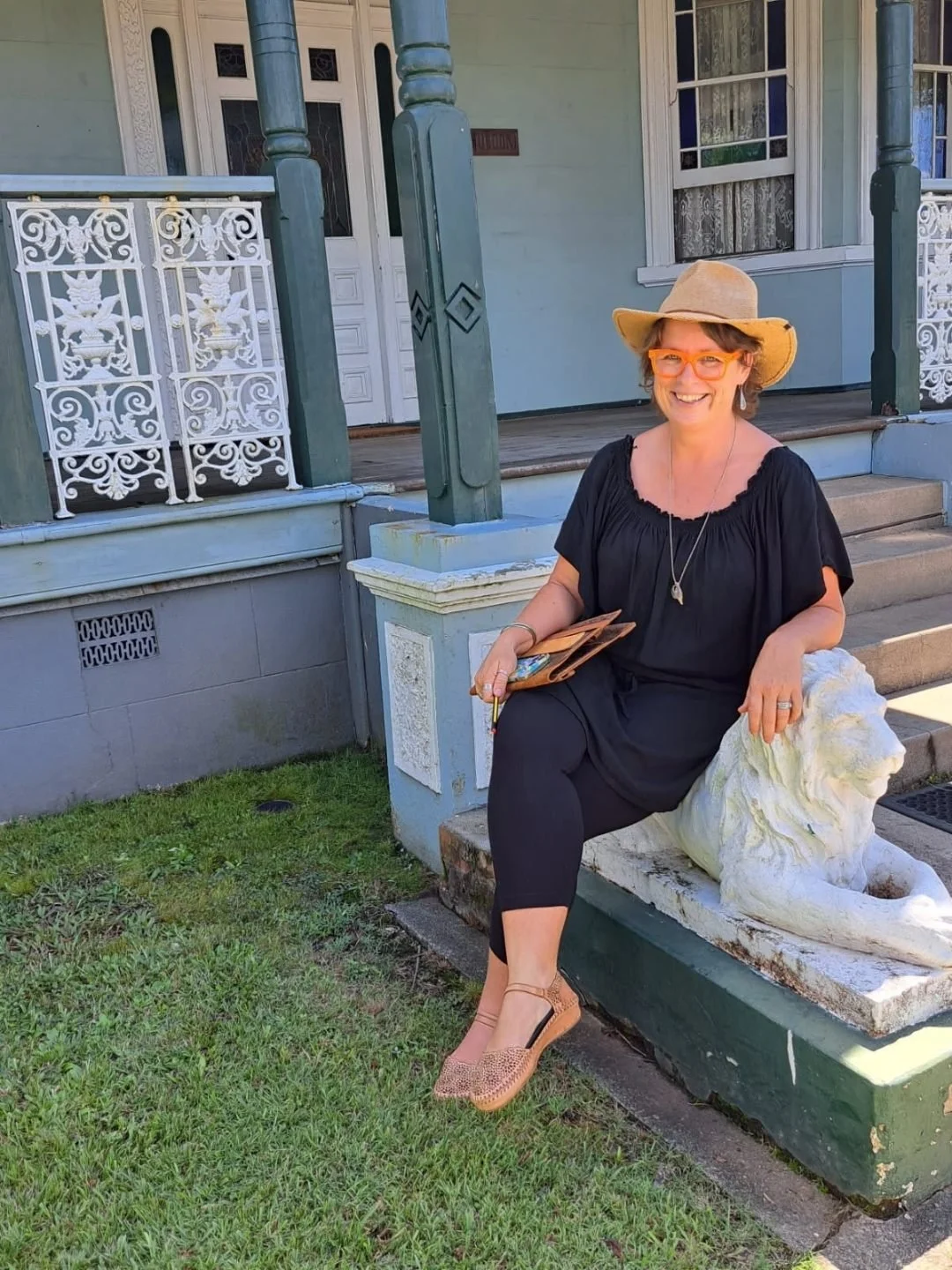

"I've always loved nature, the outdoors and design," she says. "I grew up on a working farm and come from a long line of gardeners and makers. When I was in high school, I remember thinking that working in a nursery would be pretty cool."
The demolition company was successful. Life was full. But the garden was always where she went to feel most like herself.
Enrolling in the Garden Design Program at LCGD Australia wasn't without its doubts.
"I was so nervous at first. I wasn't sure if I had it in me to start over and learn something completely new."
But she quickly discovered something important: learning is easier when you're passionate about the subject.
She threw herself in. CAD was the hardest part. It was "like learning another language", but once it clicked, it gave her a new level of precision and creative confidence. The guest lectures, the excursions, the feedback from Director Brent Reid on space and flow, it all helped shape her approach.
Then came the moment that announced her arrival.
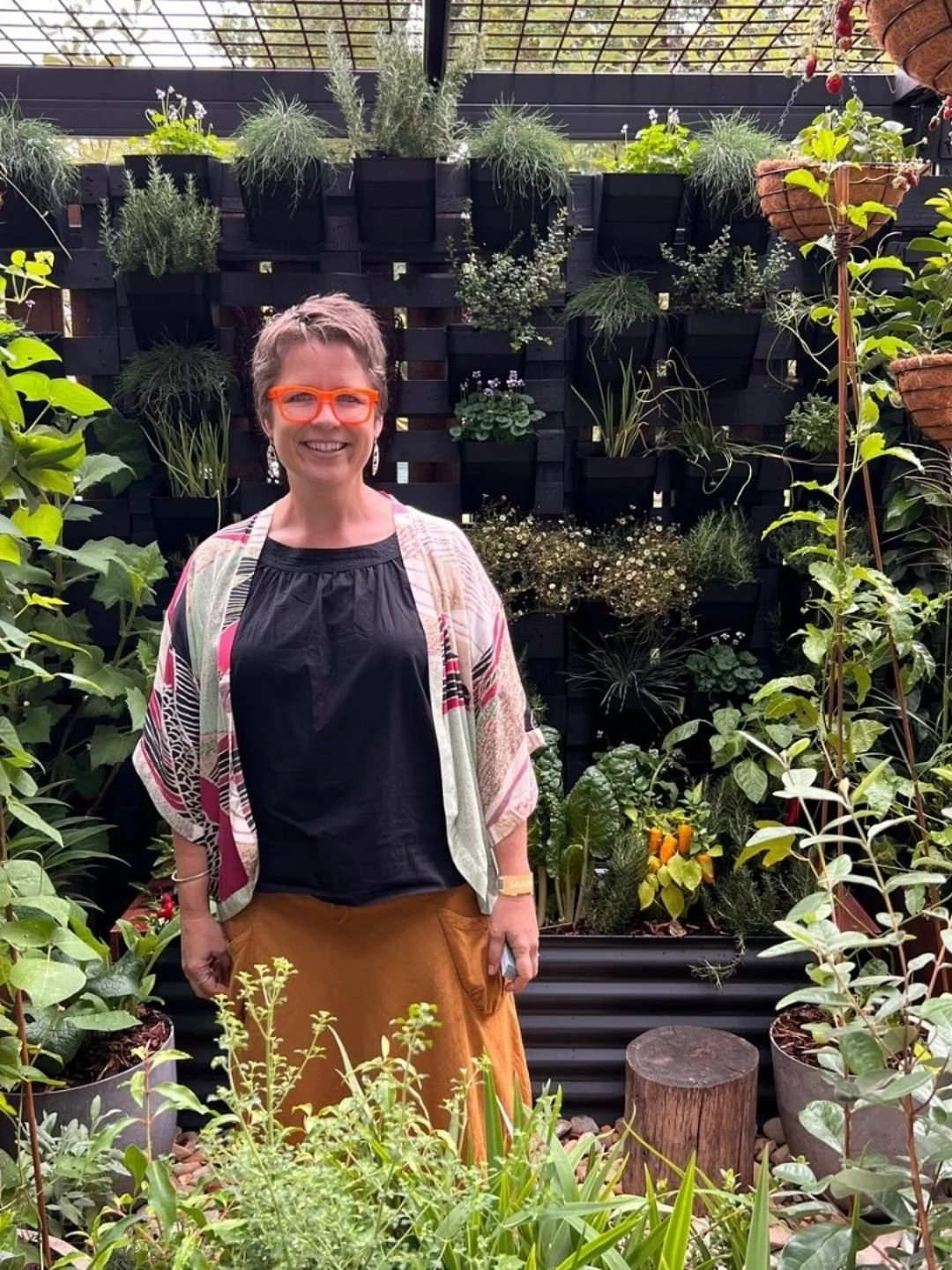
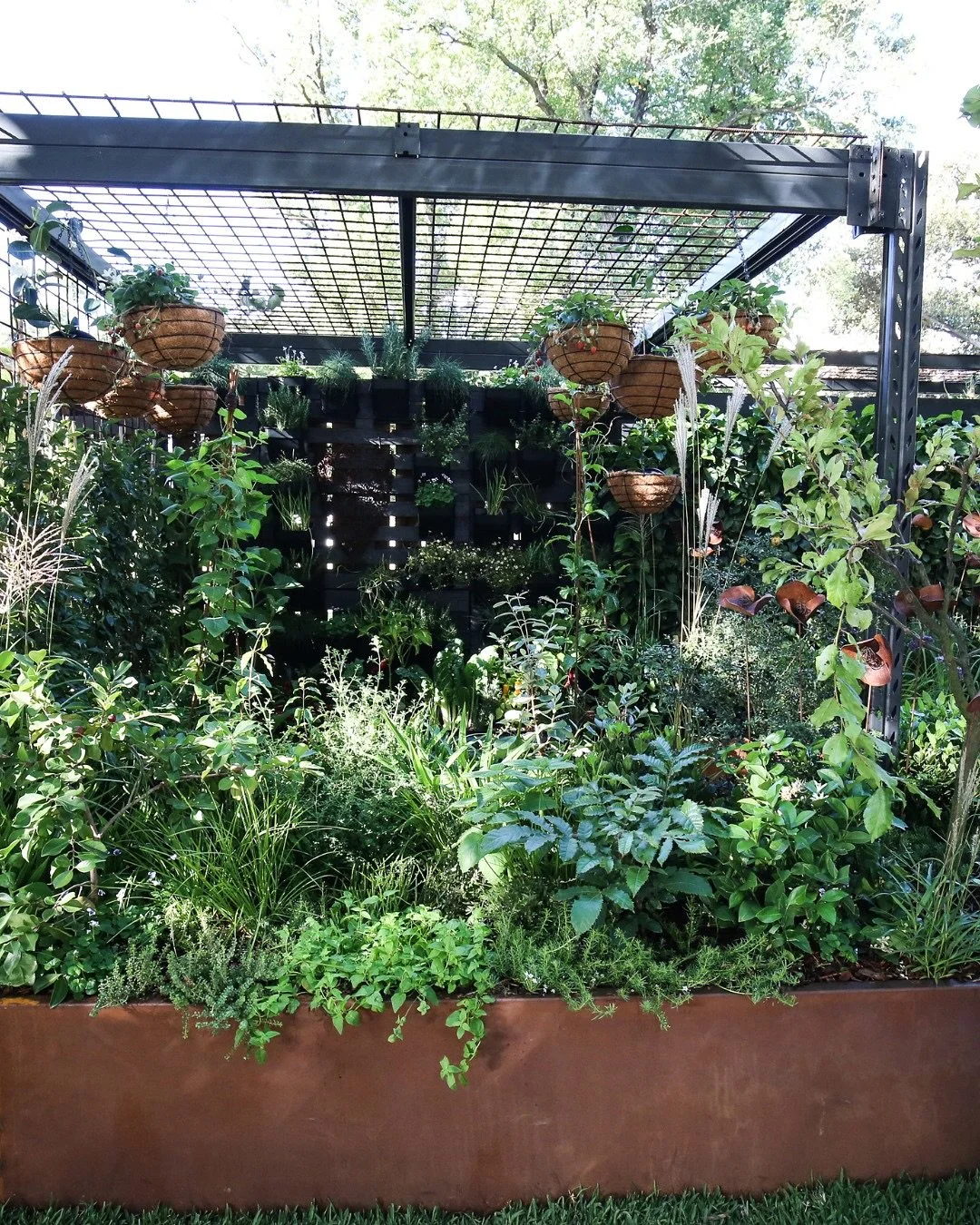
While still a student, Sarah entered the Open Gardens Victoria Design Competition and won. Her concept, Nature's Pantry, debuted at the Melbourne International Flower and Garden Show and went on to earn her the title of LCGD Australia Student of the Year.
Nature's Pantry was exactly what its name suggests: a living pantry. A garden that proved edible growing and beautiful design don't have to be in tension. Sarah designed a highly productive space integrating food crops with native and exotic foliage, anchored by corten steel planters filled with herbs, leafy greens and fruiting trees suited to Melbourne's climate.
Structural, sustainable and genuinely beautiful, it was a distillation of everything she believes a garden can be.
"The goal was to prove that edible gardening can be both sustainable and a beautiful, structural addition to any home," she says.
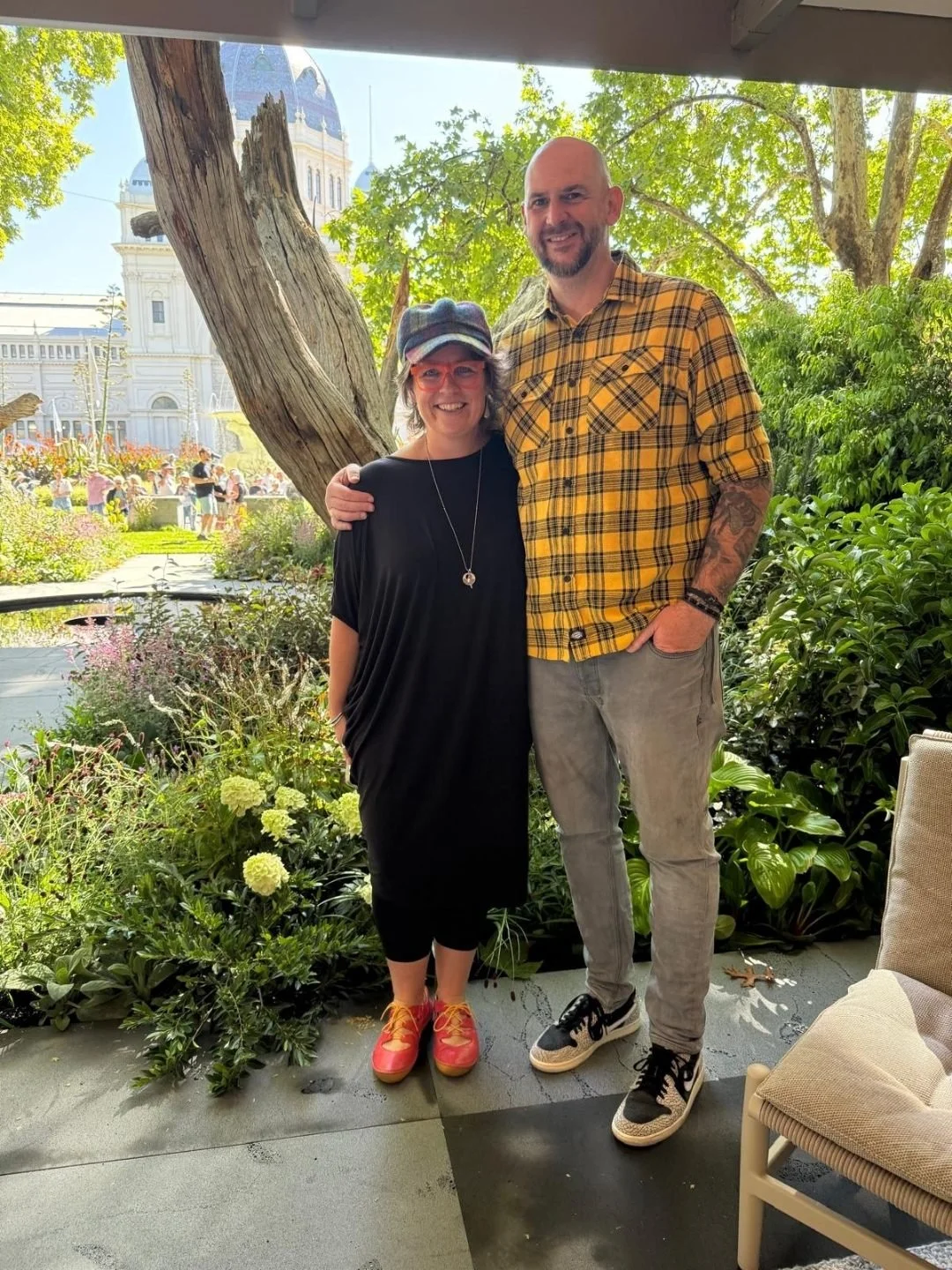
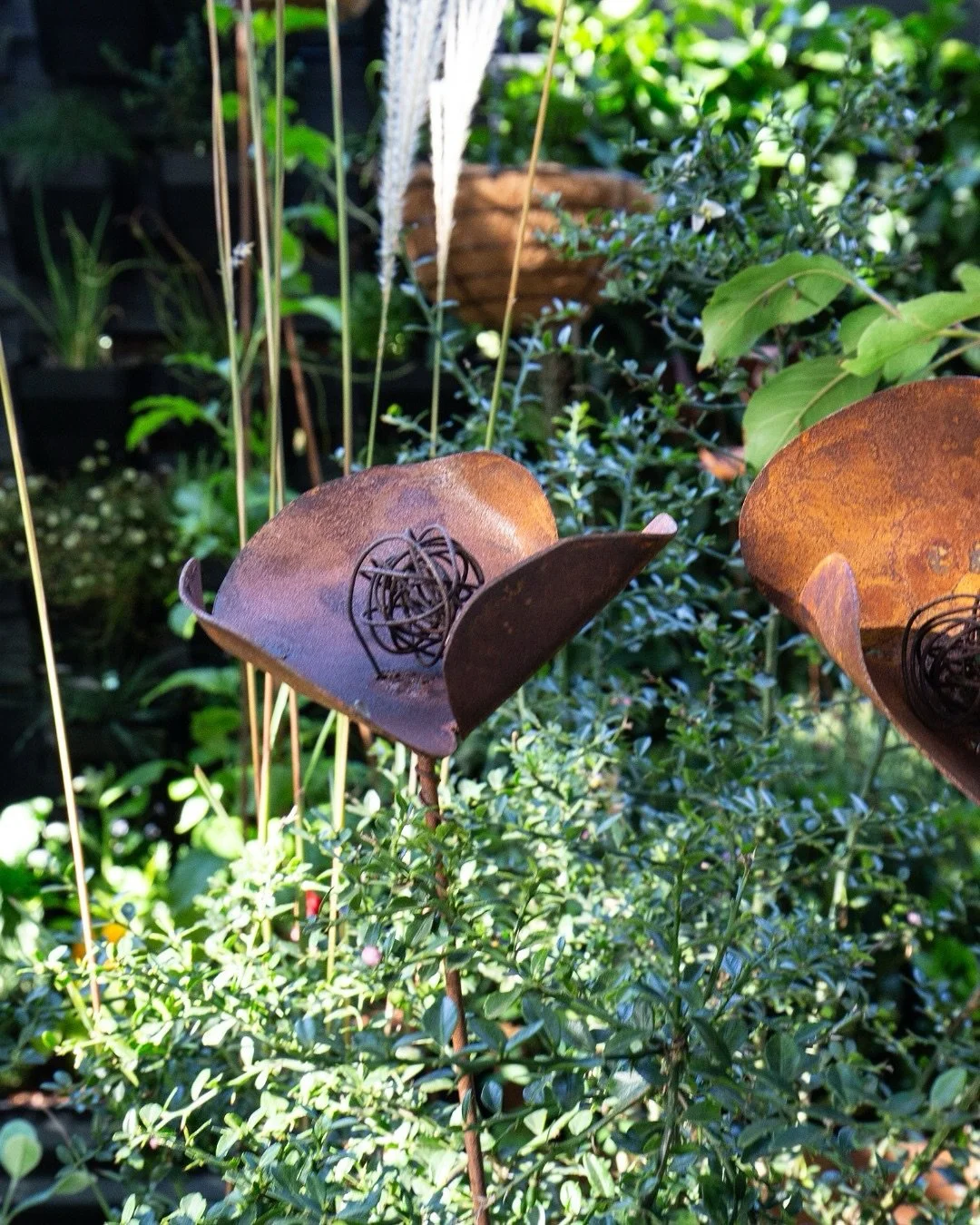
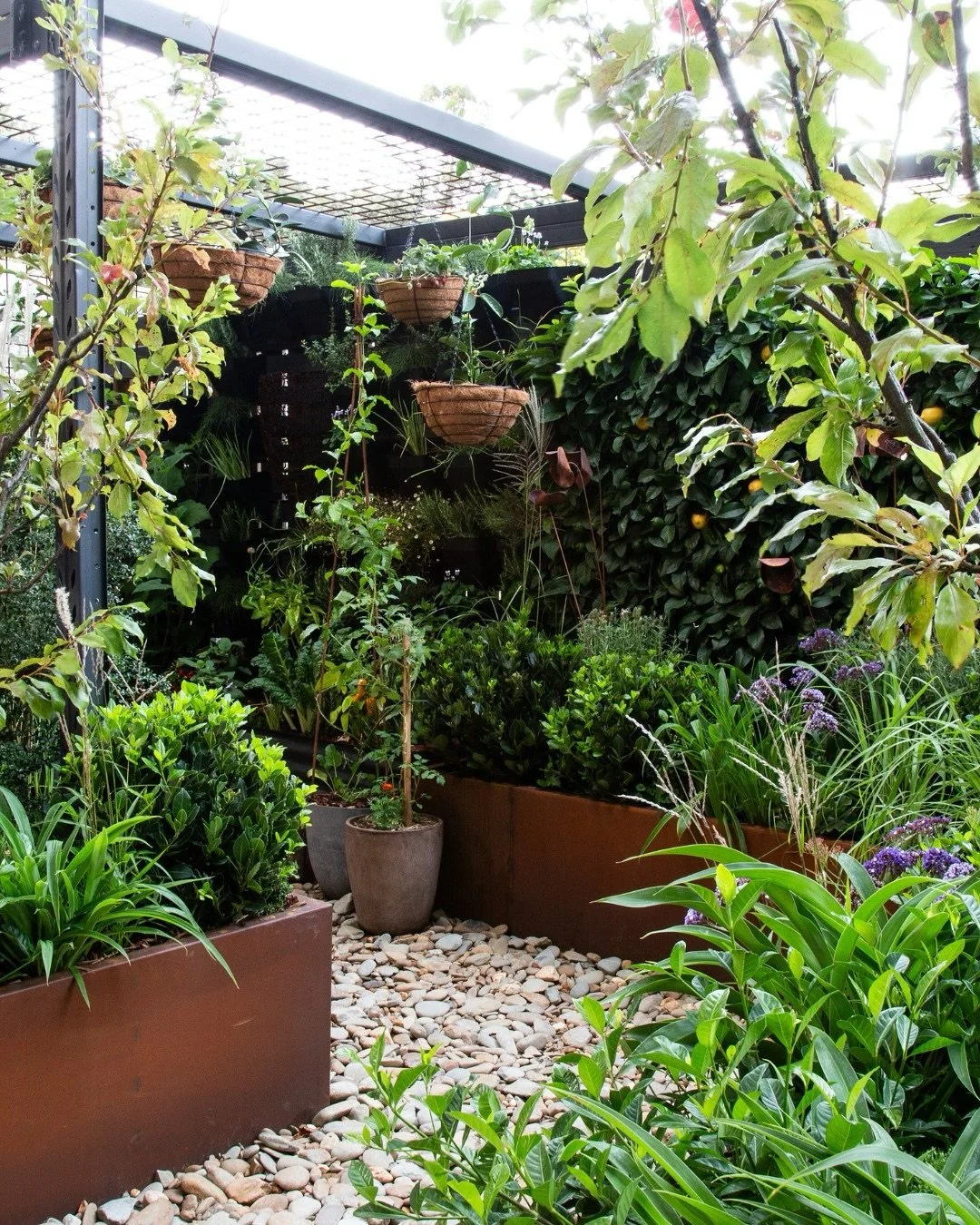
For someone who had quietly wondered whether she had it in her to start over, winning that competition and seeing her design brought to life on one of Australia's biggest garden stages was no small thing.
A piece of advice from Brent stayed with her when uncertainty crept back in:
"You don't have to have it all figured out. Opportunities will present themselves, or you'll create them yourself."
He was right.
Today, Sarah runs Sarah McLauchlan Gardens on the Mid North Coast of NSW, with a thriving design practice, a full client schedule and work featured in Better Homes & Gardens, Pip Magazine, The Weekly Times and Focus Magazine.
She loves residential projects and the opportunity to shape an entire space from the ground up. She describes herself as "a bit of a layout nerd", someone as passionate about flow and spatial logic as she is about plants.
Then there's the project that meant something beyond all of that.
A Federation home in Grafton came to her through clients who had no idea the house once belonged to her grandparents. It was where her mother grew up. A place she'd visited as a child and later brought her own children to.
Designing the garden for that home felt like coming full circle.
"Backing myself and pursuing something I truly love is one of the best decisions I've ever made," she says.
"The regret usually comes from not taking the leap."
She pauses, then adds something that might be the most useful thing anyone considering a change could hear:
"You don't need to know exactly where it's going to take you. But you'll never regret trying."
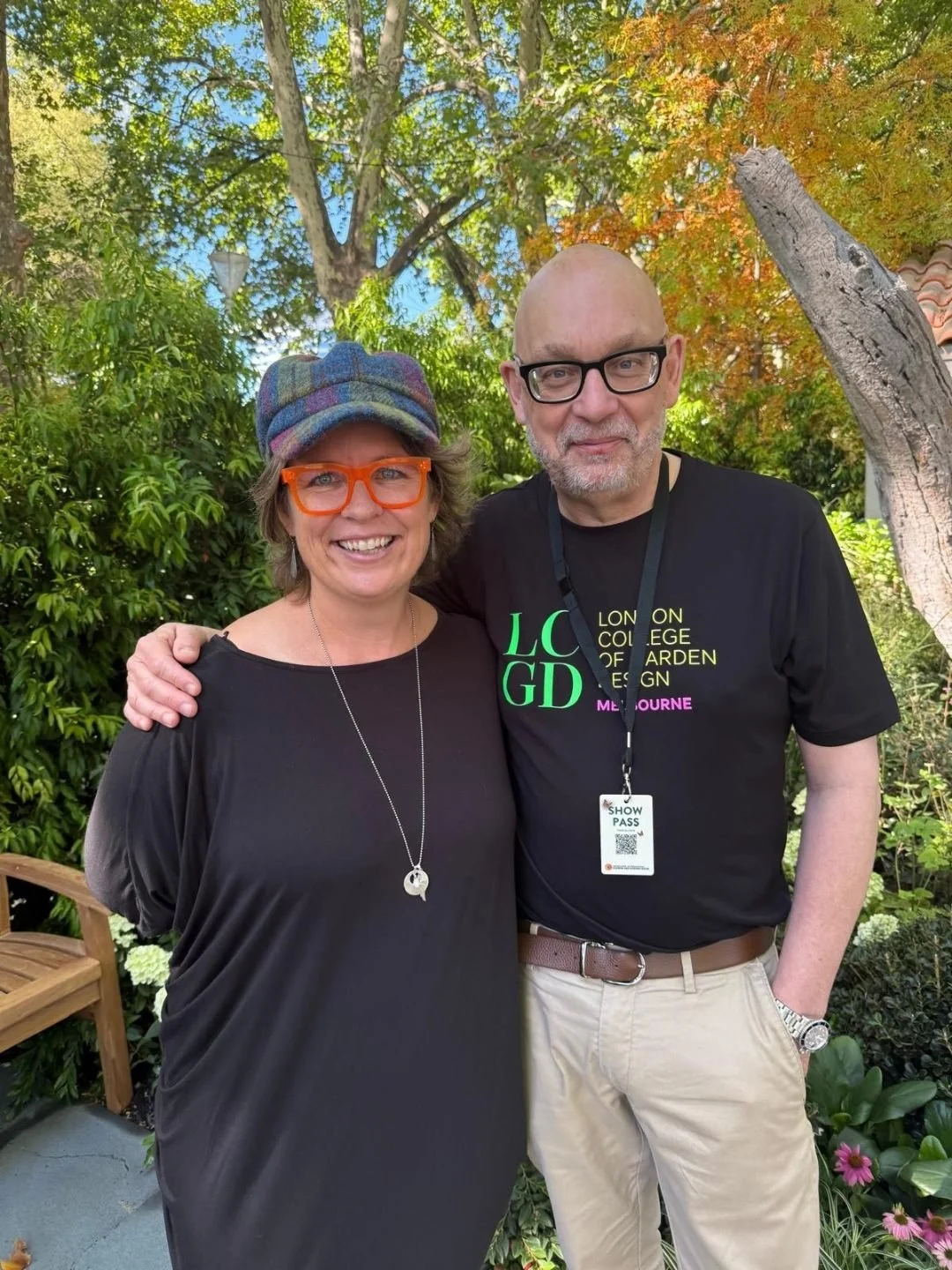
DIRECTOR | GARDEN DESIGN STUDIO
Michelle Kossenas
From industrial relations law to a career in
garden design
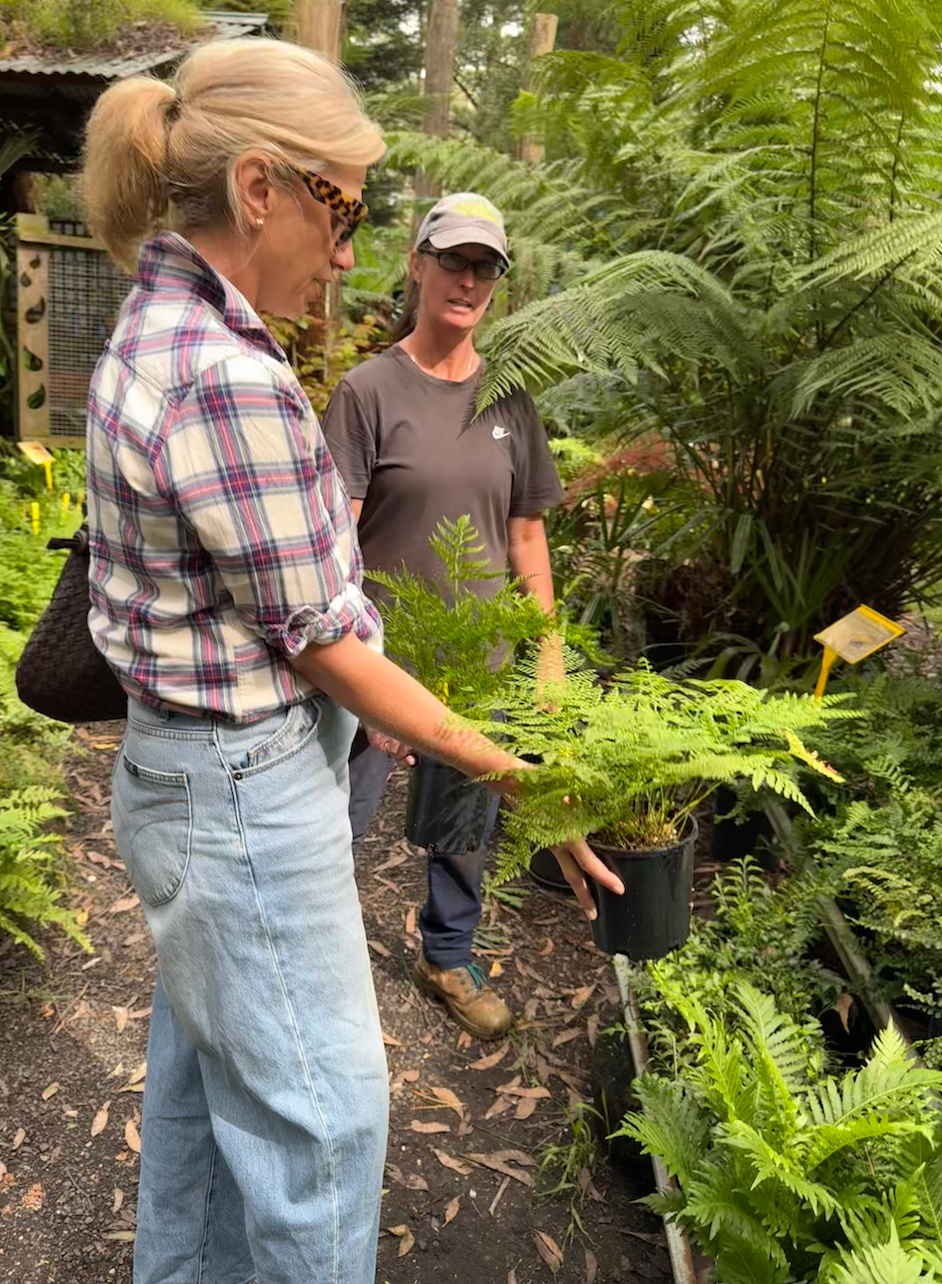
Before garden design, Michelle Kossenas was a Senior Associate at a city law firm specialising in Industrial Relations.
Her practice combined litigation and advisory work, and she loved the intellectual challenge and fast pace. Industrial relations could be unpredictable. Strikes had a habit of occurring before long weekends and major events, and there were Friday nights when Michelle found herself asking a Judge’s Associate to keep the court open so an urgent interlocutory injunction could be sought.
Preparing for court and navigating the fast pace of litigation was a rush. But after having children, maintaining a healthy work-life balance became increasingly difficult, particularly as Michelle’s partner also worked irregular hours.
“I remember that feeling of guilt when I would speed read bedtime stories to my children so that I could finish a piece of advice later that night,” she says.
“My priorities had shifted and I knew something had to change.”
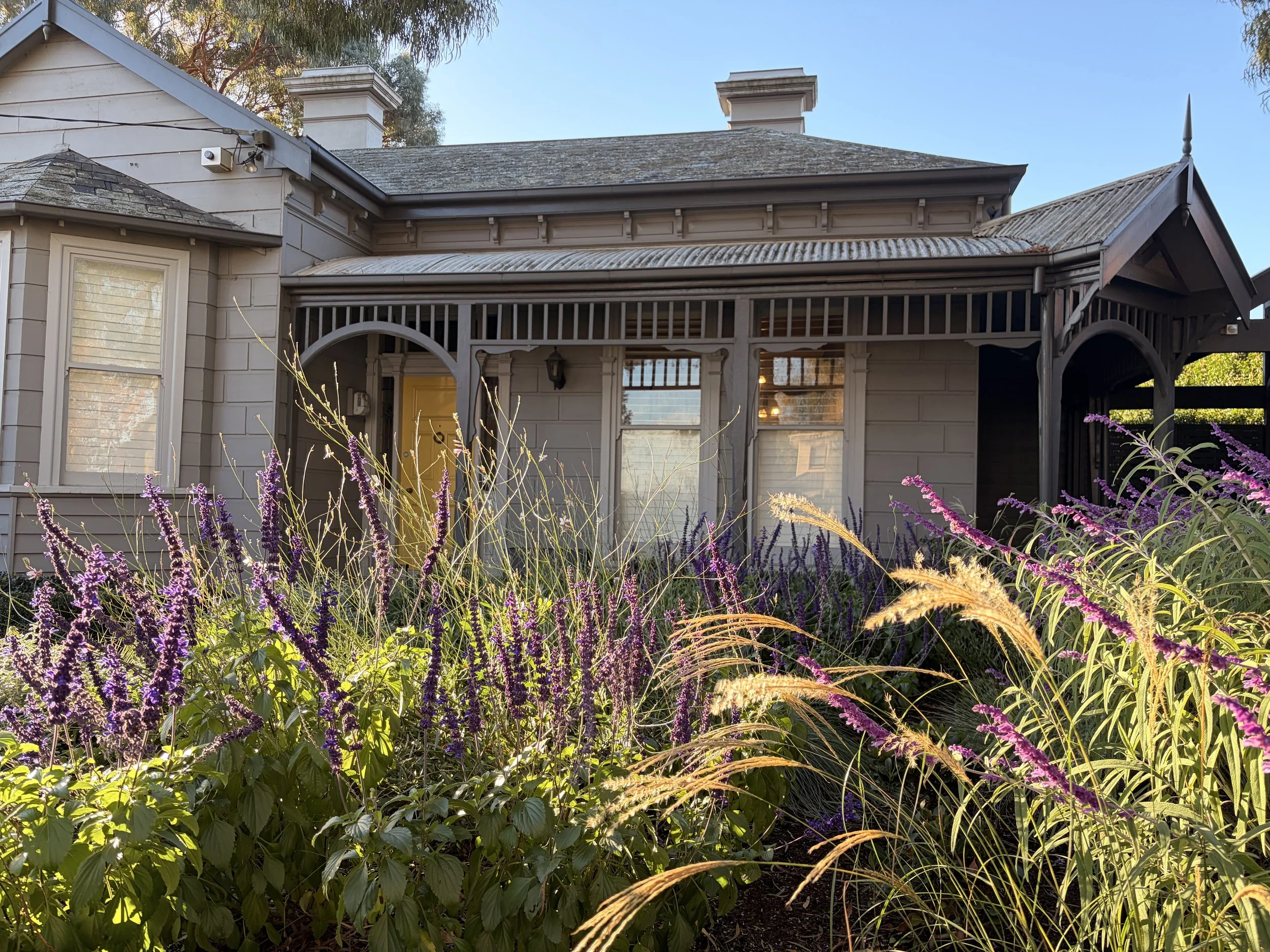
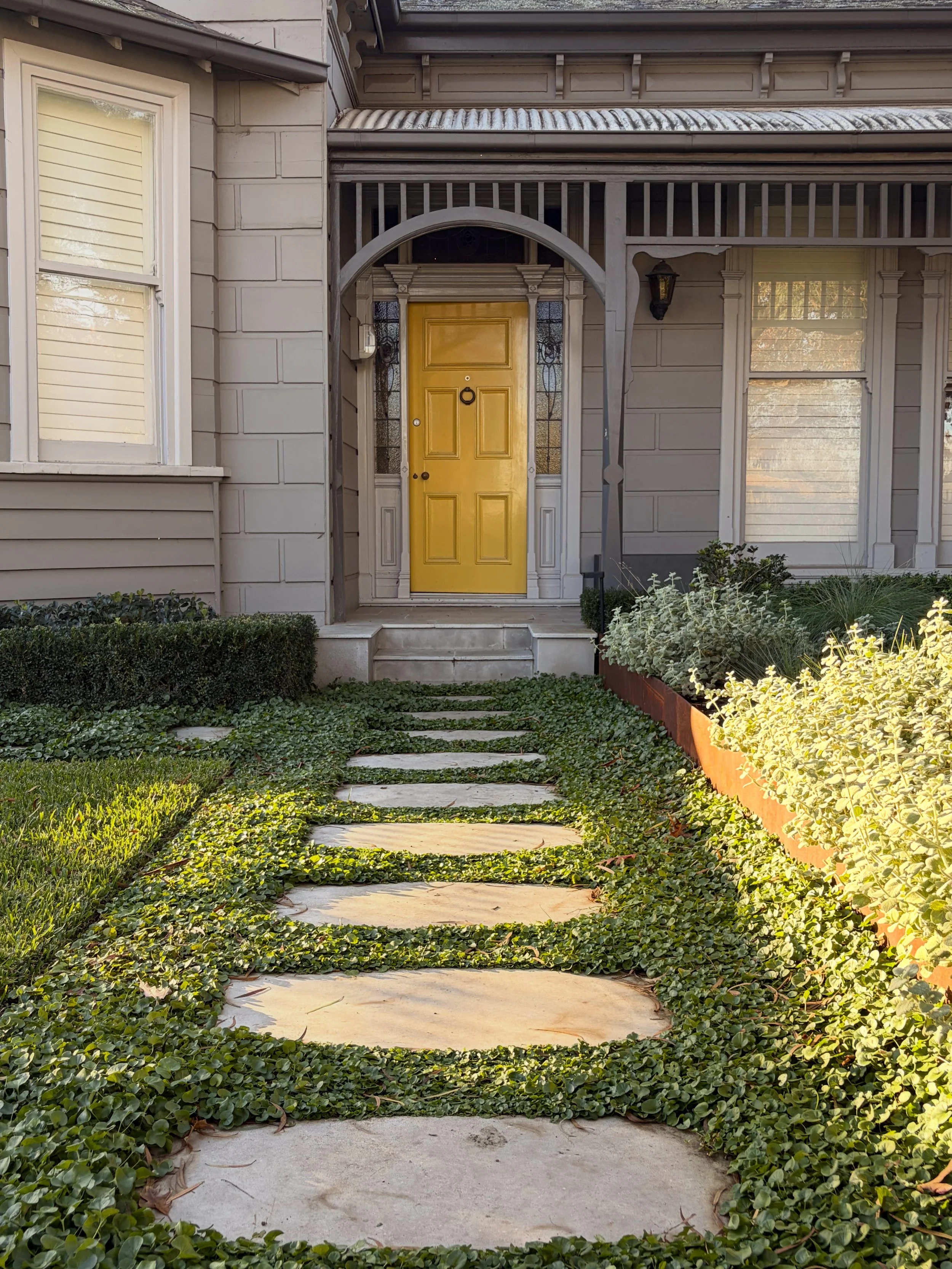
“Some of my favourite childhood memories are of being with my parents in the garden.”
Gardens had always been there. Michelle remembers going to the nursery with her mum to choose plants, then watching curiously as she arranged planting combinations at home. There was the sweet scent of Boronia by the back door and a flowering cherry outside the dining room window, underplanted with swathes of bulbs.
Her dad would start each day with a black coffee in hand, walking around the garden and deadheading flowers before heading to work. Celebrations and family get-togethers happened around the barbecue in the back garden.
As Michelle grew older, that connection continued. She created several gardens of her own and remembers regularly losing track of time, bare hands in the dirt, digging, clipping and creating new planting schemes.
Garden design wasn’t yet her career. But gardens were very much part of her life.
When the garden became something more
Then came COVID and Melbourne’s long lockdowns.
Michelle’s partner was a frontline healthcare worker. At times, when he thought he might have COVID, he would sleep in a tent in their backyard to protect the family.
Having a private green space suddenly took on a very different significance.
“For us, the garden became a place to retreat, to unwind, to exhale, to recuperate, and eventually to relax and reconnect with nature.”
After a long day on the ward, it was somewhere her partner could come home to. For the whole family, it offered a connection to the outside world during months when that world had become very small.
“Everything slows and calms down when you are surrounded by green, the sounds of insects and birds under a big sky.”
Around the same time, something Michelle had wished for years earlier finally appeared.
She had seen the UK LCGD courses advertised in Gardens Illustrated and remembered wishing there was an equivalent course in Melbourne.
Then LCGD Australia launched.
With what felt like endless lockdowns ahead, Michelle decided to use the time to retrain and study garden design, something she truly loved.
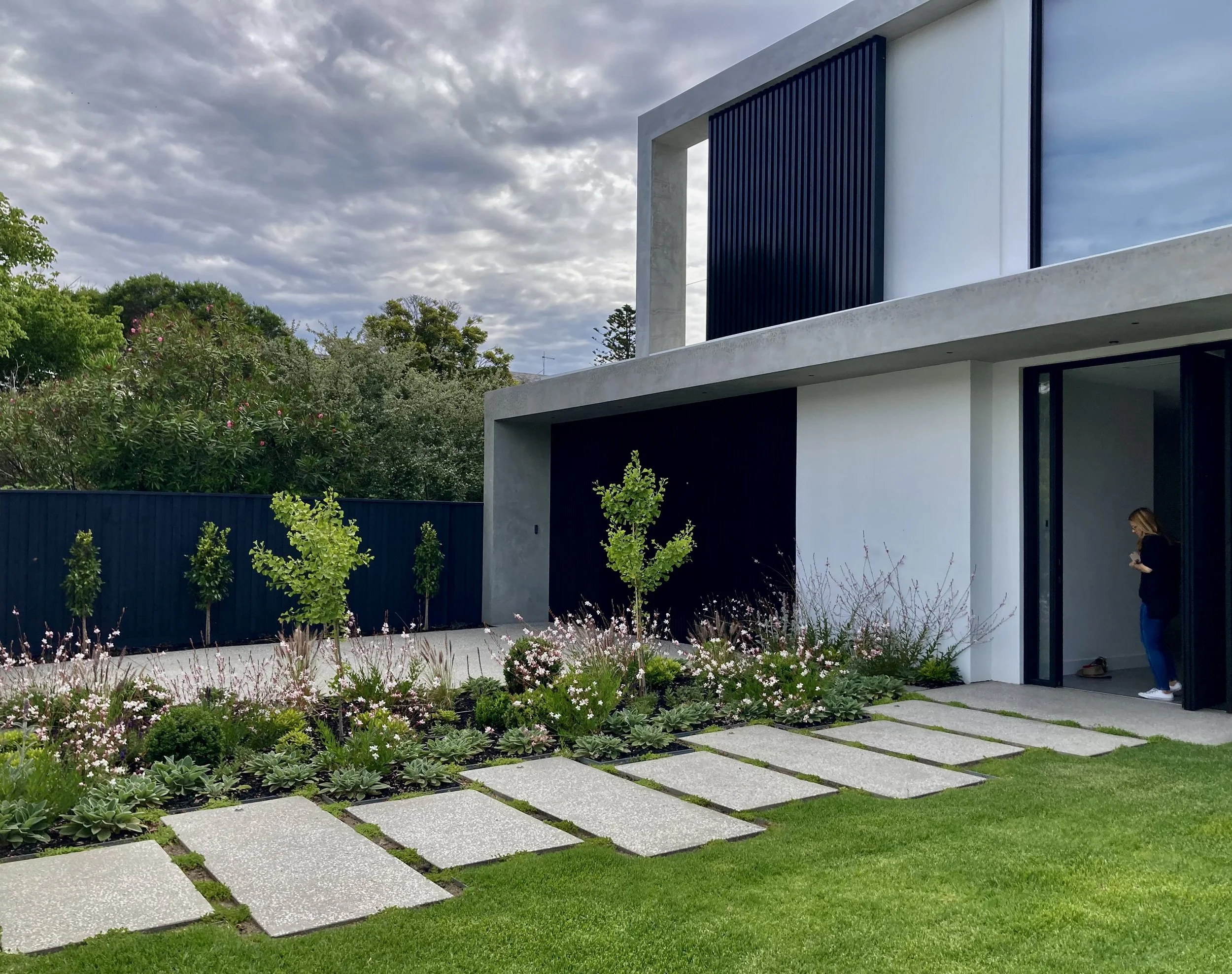
Learning to design, not simply garden
Michelle arrived at LCGD with a longstanding love of plants and admits she was impatient to get to the planting design semesters.
But some of the parts she hadn’t expected to love became just as influential.
Learning construction detail sparked a curiosity about how things are built and, today, Michelle pays particular attention to how materials connect and transition within her designs.
The small-group tutorials became an invaluable place to test, question and resolve ideas, while guest lecturers including Teena Crawford, Jo Thompson and the late Nigel Dunnett exposed her to different approaches to gardens and planting.
One lesson in particular continues to underpin the way she works.
“Learning to ground a design in a ‘big idea’ and finding the narrative has been key to producing coherent designs. To this day, I still use the school’s method to underpin my design approach for each garden I create.”
Michelle’s work during the course was also recognised when she was awarded LCGD Australia Student of the Year.
Then there was Vectorworks.
Michelle describes learning the software as probably the most challenging aspect of the course. With plenty of support along the way, it eventually clicked and she now relies on it for all of her projects.
Starting again didn’t mean starting from nothing
Law and garden design might appear to have very little in common.
For Michelle, one of the interesting parts of changing careers has been discovering just how much of her previous experience came with her.
“I’m used to listening to clients, taking a brief, delving into research, and working through technicalities to deliver the desired outcome.”
Those skills didn’t disappear when she left law. They simply found a new application.
Today, the research might involve understanding the history of a site or the architecture of a home. A client brief becomes the starting point for finding the story a garden needs to tell. Technical problem-solving happens through materials, construction, planting and space.
And alongside all of that is the creativity Michelle had always wanted more room for.
“My favourite part of the job is learning about the history of the site, the architecture of the home and finding the story that needs to be told through the design.”
She has also found great satisfaction in seeing those ideas become real, working alongside landscapers who take pride in bringing the designs to life and returning months later to see a garden beginning to flourish.
A different career, with plenty brought along
Looking back, garden design wasn’t quite the departure from Michelle’s former life that it might first appear.
Her love of gardens had been there since childhood. Many of the skills she had spent years developing through law came with her. What changed was where she was able to apply them.
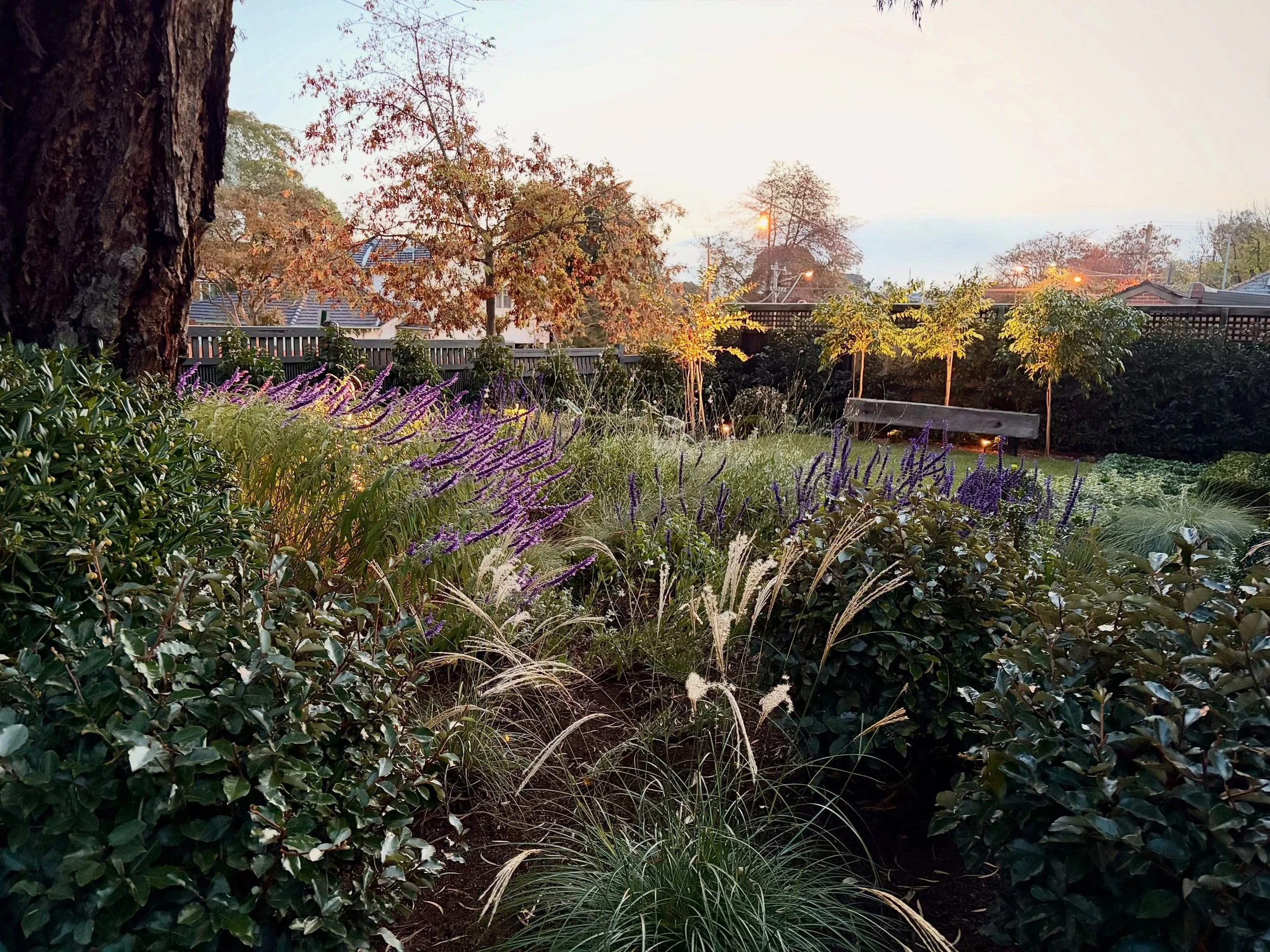
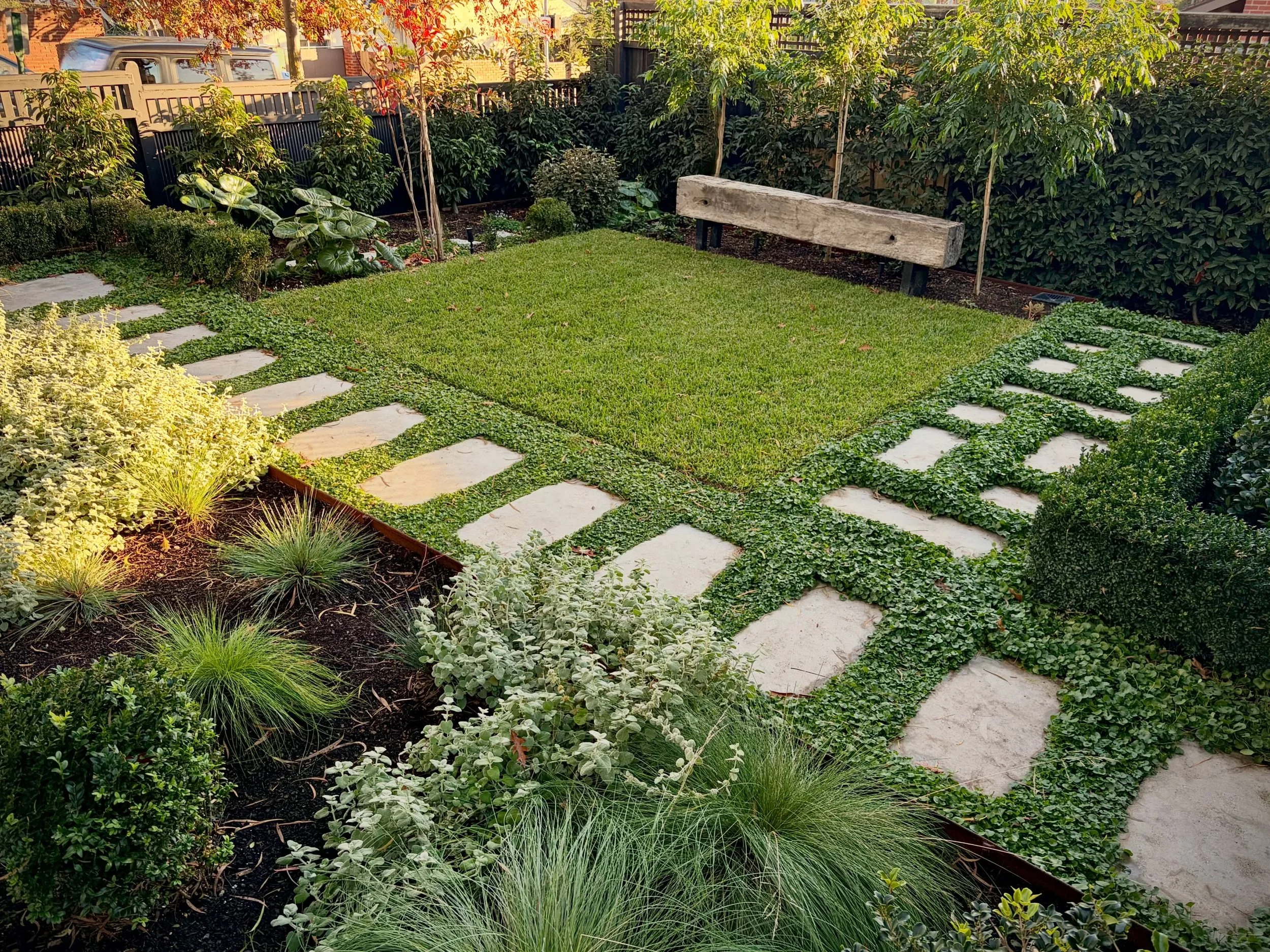
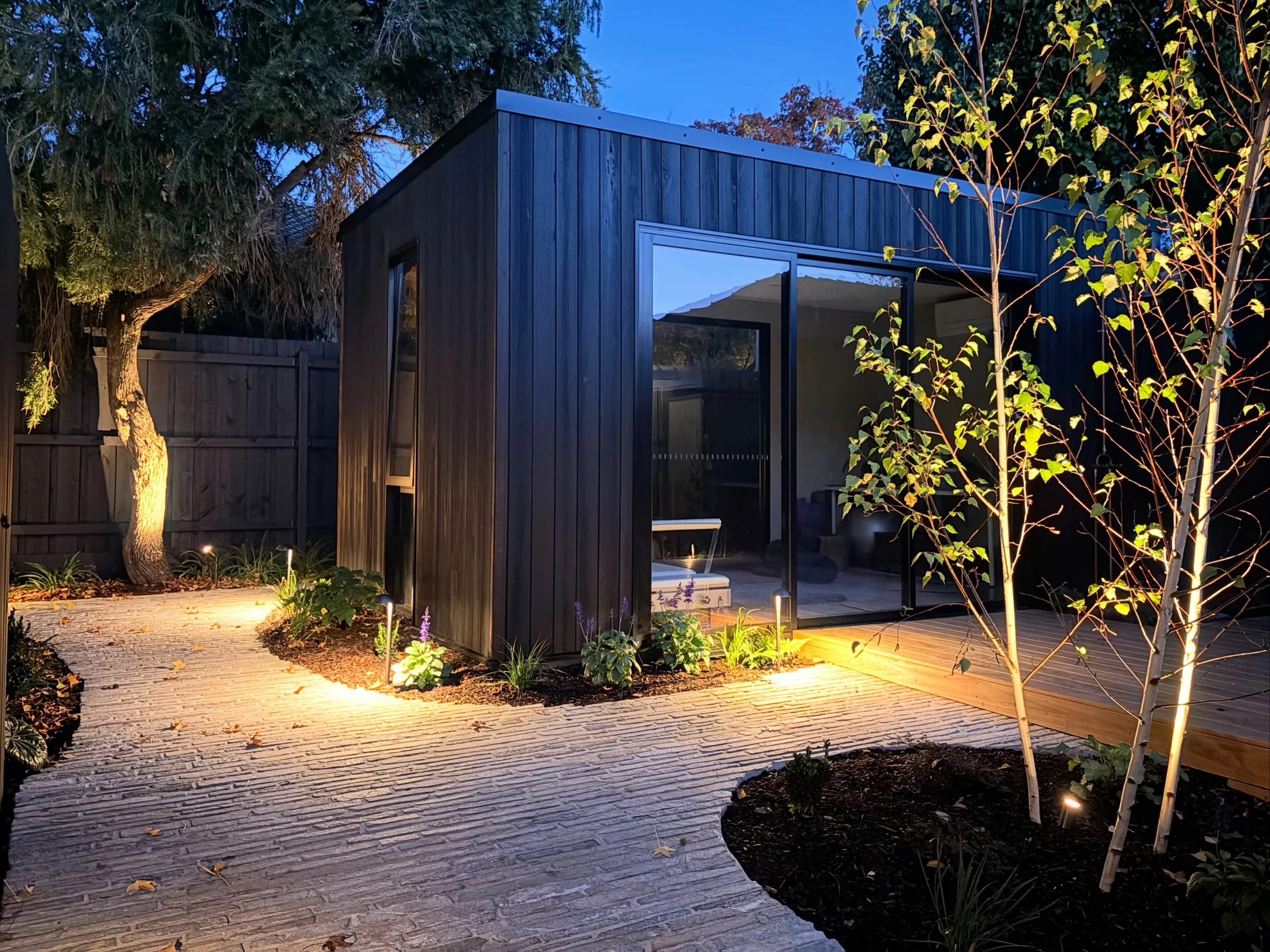
Today, Michelle designs gardens through her own practice, Garden Design Studio MK.
The transition from lawyer to garden designer has been a good one.
And there is at least one part of her former working life she is very happy to have left behind.
“I definitely don’t miss billing in 6 minute units though!”
For anyone considering the same leap
Michelle’s advice is wonderfully simple:
“If you have a passion for garden design, just go for it!”
For her, studying was about much more than learning planting plans and construction detail. It meant developing new technical skills, learning programs such as Vectorworks and SketchUp, and becoming part of a network of people who shared the same interest in gardens and design.
“Importantly, you will gain access to a fabulous network of peers across Australia that you can call on to discuss anything garden design-related, or, to just talk about plants!”
Thinking About a Career in Garden Design?
Sarah and Michelle's stories is just some examples of the many different paths that lead people into the profession.
If you've ever wondered what a future in garden design could look like, we'd love to help you explore the possibilities.
More Stories Coming Soon
We're looking forward to sharing more graduate journeys from across Australia and New Zealand.