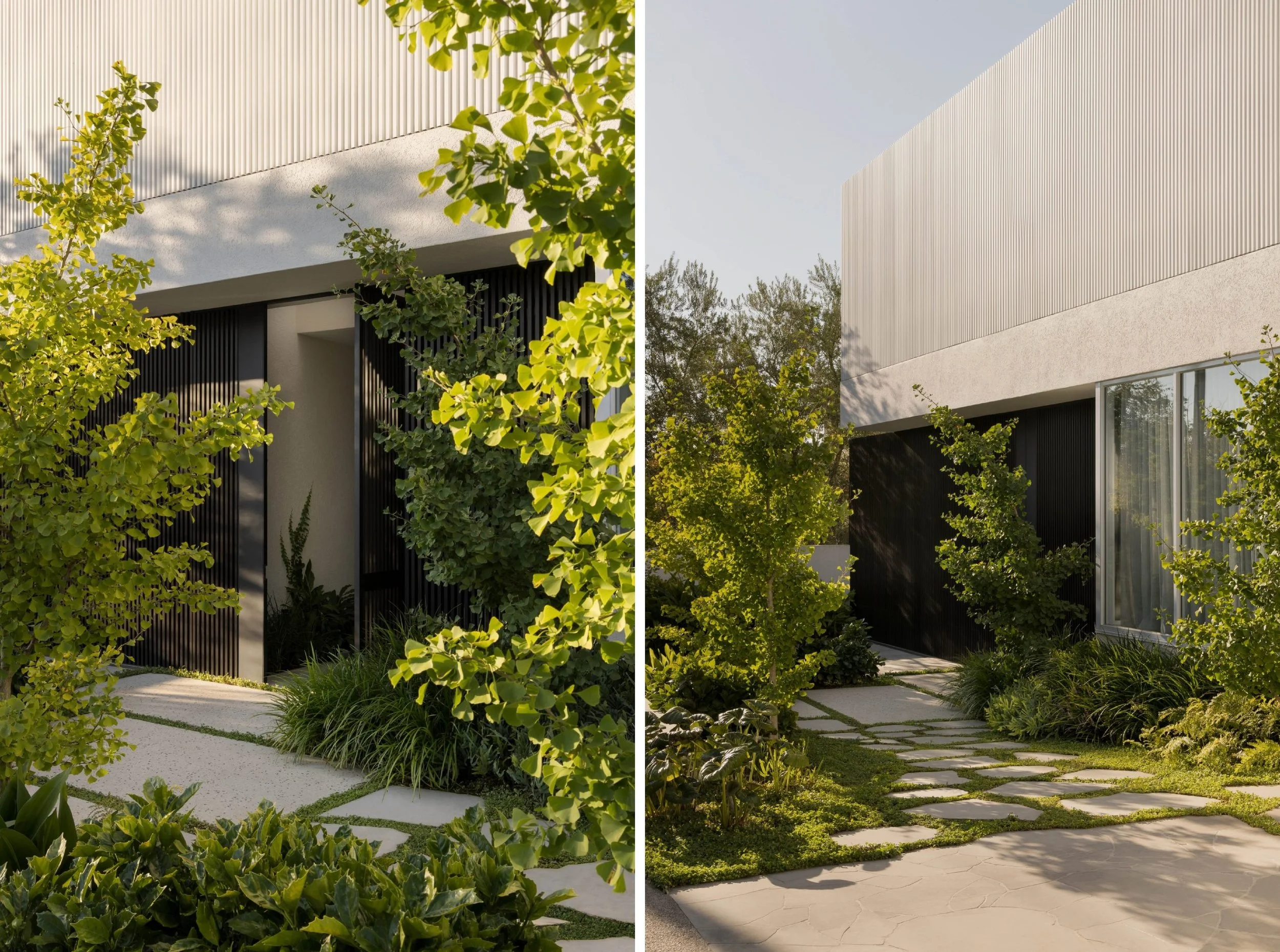
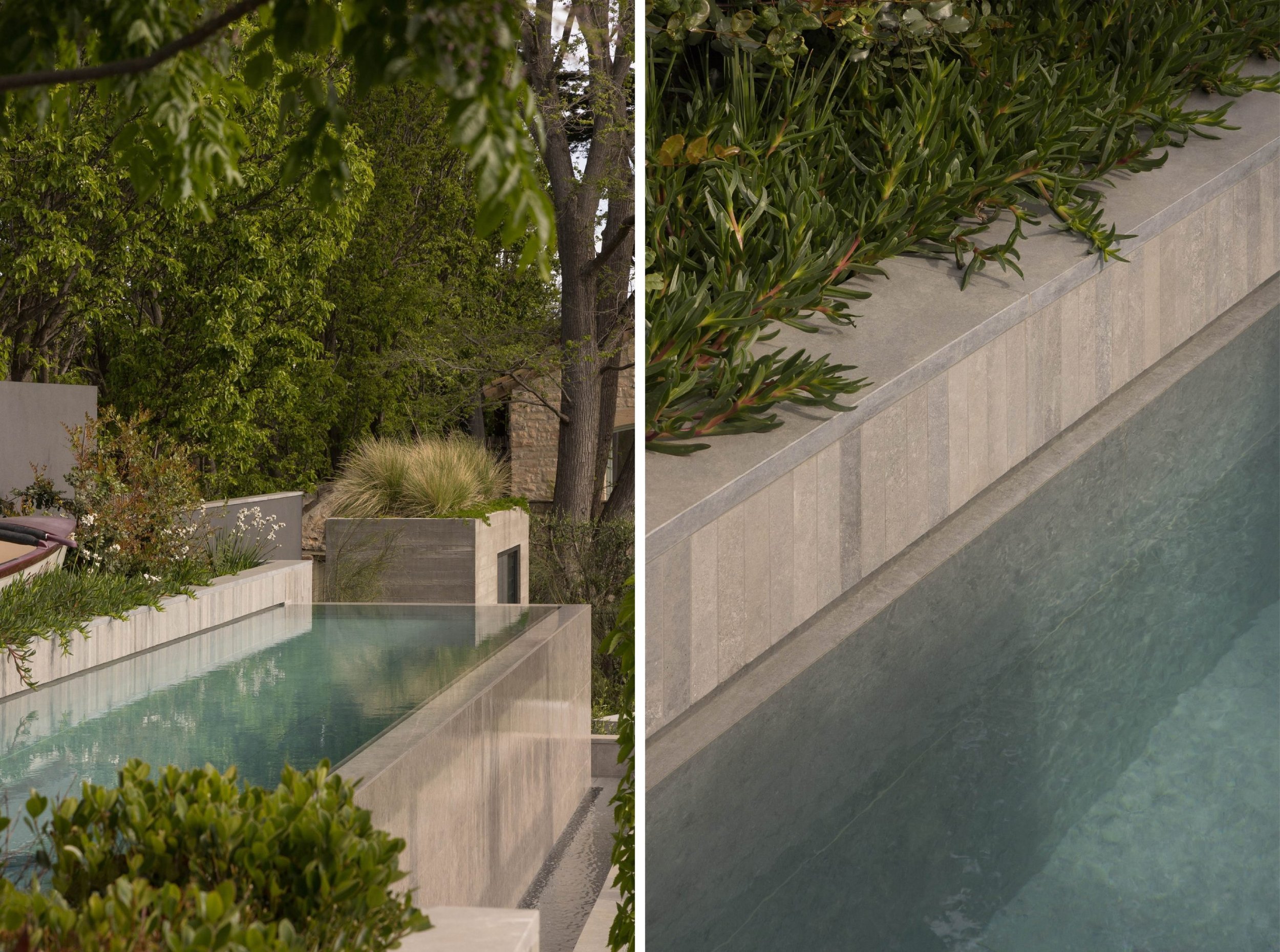
An award-winning design practice, a bestselling book and a role teaching future garden designers. Lisa Ellis has built quite a career since deciding to leave marketing behind.
At 30, Lisa Ellis made a decision that would completely change the direction of her working life. After years in marketing, she enrolled in garden design studies at Burnley College, drawn by a longstanding love of gardening and the possibility of doing something more creative. Today, Lisa is the founder of an award-winning Melbourne landscape design studio, co-author of the bestselling horticultural book Plantology and a guest lecturer at LCGD Australia.
Her career is an inspiring example of where a change in direction can lead, and offers a fascinating insight into the opportunities available within the garden design profession. From developing creative concepts and working with clients to building a respected design practice and sharing her expertise with others, Lisa's journey has been shaped by curiosity, practical experience and a genuine love of plants and gardens.
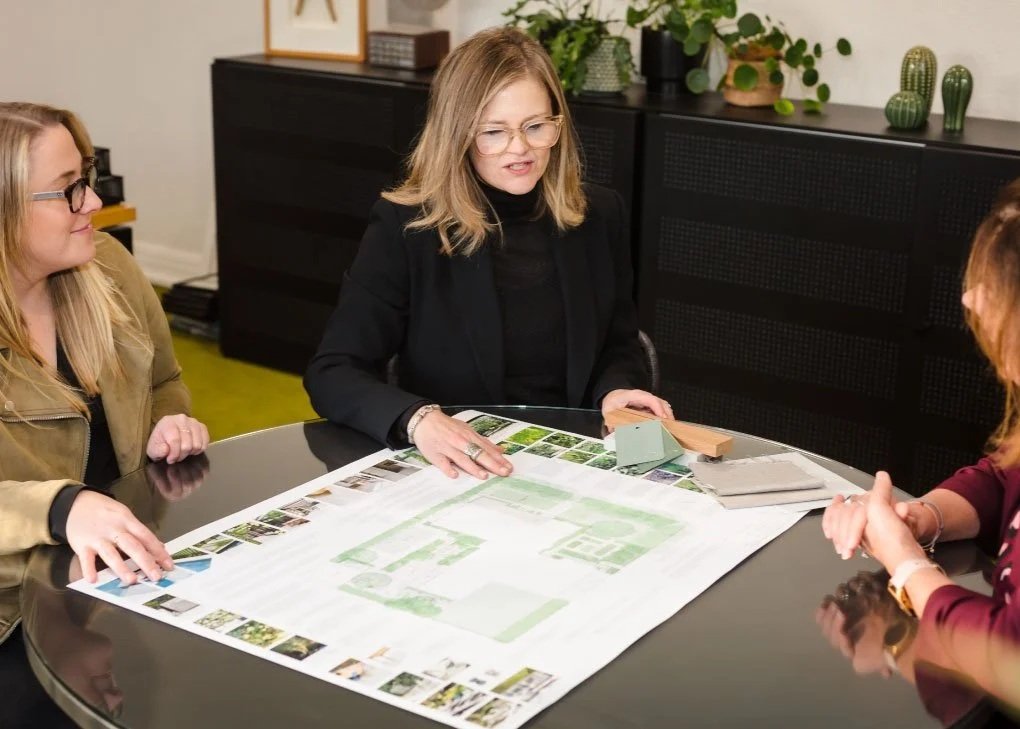
From marketing to garden design
Throughout her twenties, Lisa worked in marketing across publishing, consumer goods and a project associated with a United Nations event. It was varied work, but she was becoming increasingly interested in pursuing something more creative. Gardening had always been an important part of her life, and at 30, she decided to turn that interest into a new professional direction by enrolling at Burnley College.
“I had always loved gardening and thought that garden design would be a worthwhile and fulfilling creative pursuit.”
After studying, Lisa worked one day a week in a nursery to strengthen her plant knowledge before establishing Lisa Ellis Gardens in 2004. Having previously been self-employed in marketing, she brought valuable business experience to her new profession, while continuing to develop the technical and practical knowledge that comes from working in the landscape industry.
Looking back, Lisa recognises the value of learning alongside experienced designers and other industry professionals. It's an important insight for anyone considering a career change, particularly in a field where creative thinking, plant knowledge and practical skills come together. Her experience demonstrates that entering garden design from another industry can bring a fresh perspective, while offering opportunities to build entirely new skills and professional relationships.
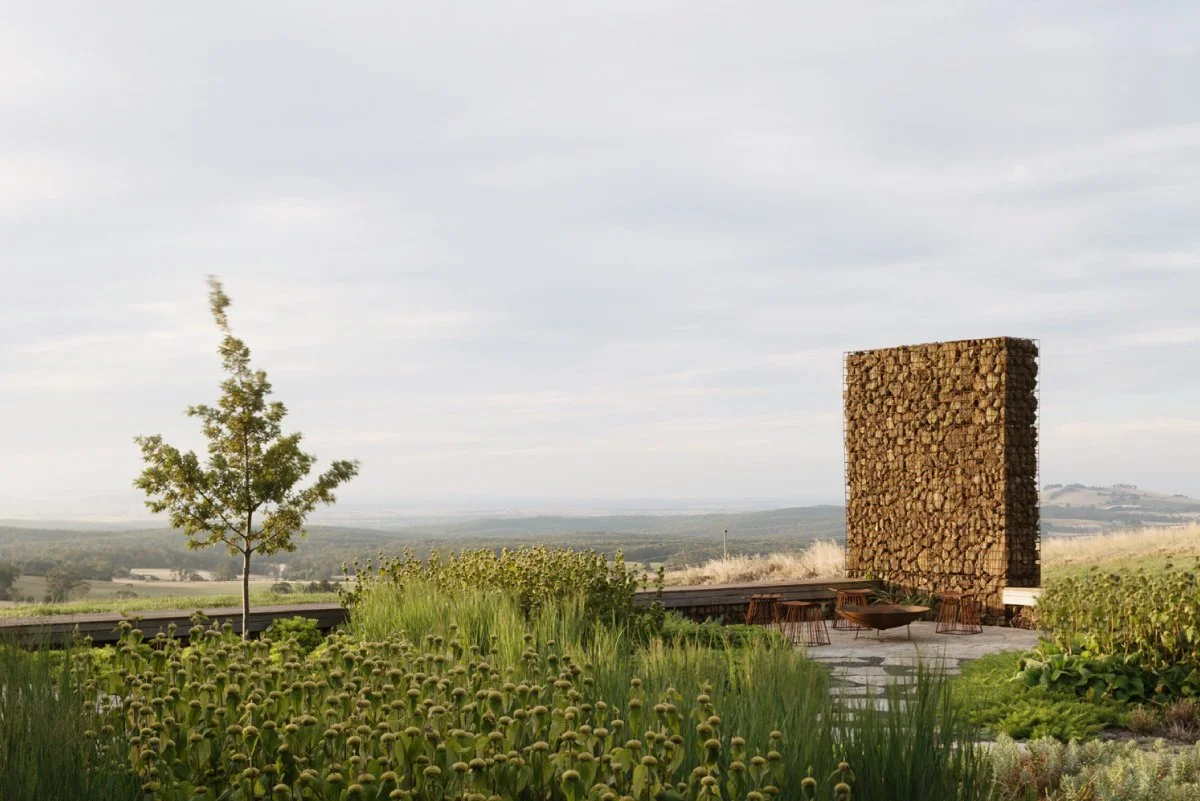
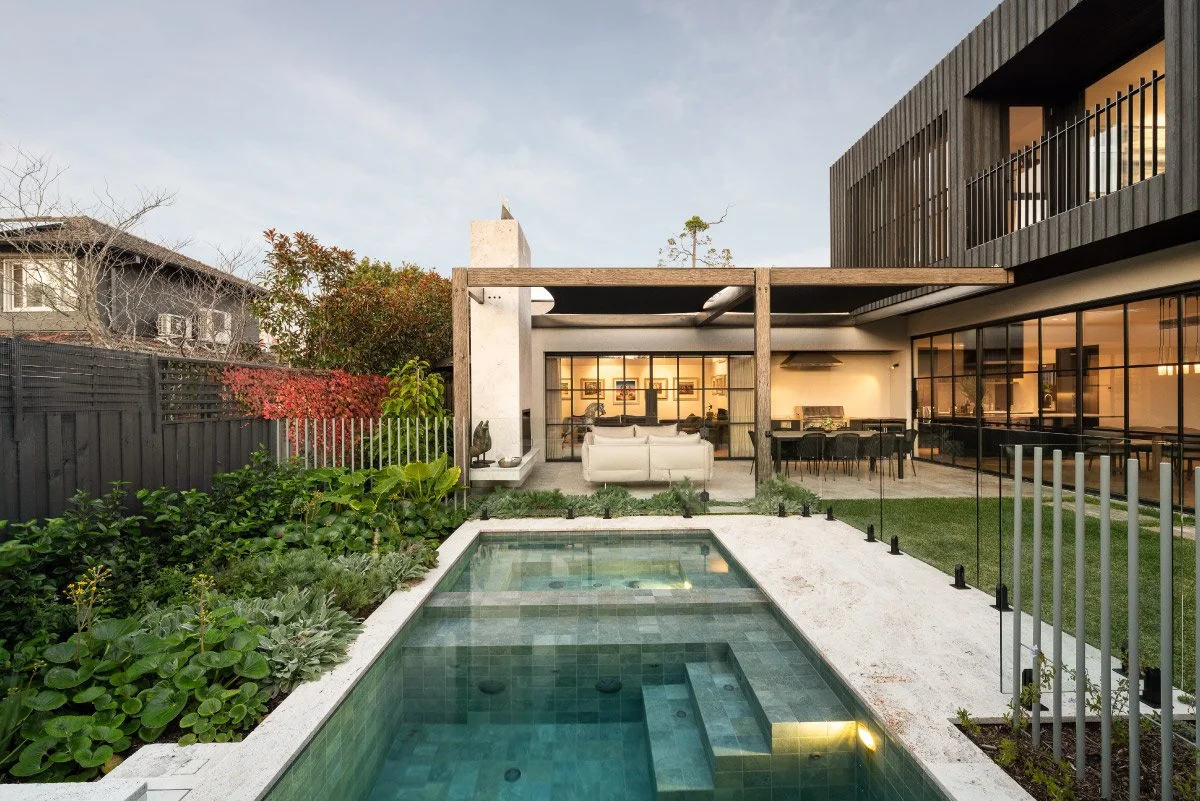
Clarke’s Hill by Lisa Ellis Gardens
The realities of running a garden design studio
No two days are quite the same at Lisa Ellis Gardens. The work encompasses client consultations, site visits, design reviews, presentations, planting plans and the coordination of projects across design, installation and maintenance. Alongside the creative process are the equally important responsibilities of managing budgets, schedules, staff and the day-to-day operations of a busy practice.
For Lisa, one of the most satisfying parts of the profession is developing a considered design for a challenging site and presenting a solution that responds to both the client's brief and their budget. That balance between creativity and practicality is central to her approach, and something she believes every aspiring garden designer needs to understand.
Her studio has a guiding principle: to design gardens that are actually built. This means understanding construction costs, having open conversations with clients about what is achievable and recognising how design decisions translate into finished landscapes. A beautiful concept is only one part of successful garden design. The garden must also respond to the architecture, the site and, most importantly, the people who will live with it.
Despite the sophisticated technology available to contemporary design practices, Lisa has retained an appreciation for drawing by hand, particularly when developing planting plans. It's a part of the creative process she enjoys, even as digital tools have transformed the way gardens are designed, documented and presented to clients.
Why there's always more to learn
One of the things Lisa has found most surprising about garden design is the extraordinary amount there is to learn. The range of plants, materials and possible design combinations means that even experienced designers are continually encountering new ideas, techniques and approaches. It's one of the aspects of the profession that makes it so interesting, with opportunities to explore different styles, work with new materials and respond creatively to each individual site.
The profession itself has changed considerably since Lisa began studying. At Burnley College, plans were prepared by hand, while the subsequent development of digital design software, 3D visualisation and virtual reality has introduced entirely new ways of communicating landscape proposals. Lisa recognises the value of these tools in helping clients understand a design, even if technology isn't necessarily her favourite part of the process.
Learning also happens away from the drawing board. Construction sites provide opportunities to understand how materials behave, how details come together and how design decisions translate into finished gardens. Lisa values the knowledge of experienced contractors and believes that having a reliable network of professionals to turn to is essential, particularly when exploring new materials, techniques and approaches.
“The more projects you work on then the more information you glean.”
It's a useful perspective for anyone entering the industry. Formal education provides an important foundation, but professional knowledge continues to develop through experience, collaboration and the willingness to ask questions. Each new project brings different opportunities to learn, and working alongside other professionals can introduce ideas and solutions that might otherwise have been overlooked.
What aspiring garden designers can learn from Lisa
Lisa's advice for those entering the profession is grounded in observation, practical experience and a willingness to keep learning.
“Spend time visiting gardens- the more you observe, the better you get.”
Spending time in gardens, paying attention to what works and learning from mistakes are all important parts of developing as a designer. Construction knowledge is another priority, as understanding how gardens are built can significantly improve the quality of a design. Lisa recommends developing relationships with experienced contractors who are willing to offer advice and feedback, and taking every opportunity to build practical knowledge alongside creative skills.
She also emphasises the importance of designing for the individual client rather than becoming too attached to a particular idea. Every designer has concepts they'd love to explore, but the right opportunity doesn't always present itself immediately. Sometimes an idea needs to wait until the right garden comes along, and part of developing as a designer is learning how to balance creative ambition with the particular opportunities presented by each site.
Together, these observations offer a valuable reminder of the breadth of skills involved in garden design. Creative thinking, technical knowledge, communication and problem-solving all play a part, while the opportunity to work with different people, places and landscapes ensures that every project brings something new.
From designing gardens to writing about plants
Since establishing Lisa Ellis Gardens in 2004, Lisa has built an award-winning Melbourne landscape design practice, working across residential, corporate and government projects. Her expertise has also taken her beyond the design studio, most notably into publishing and education.
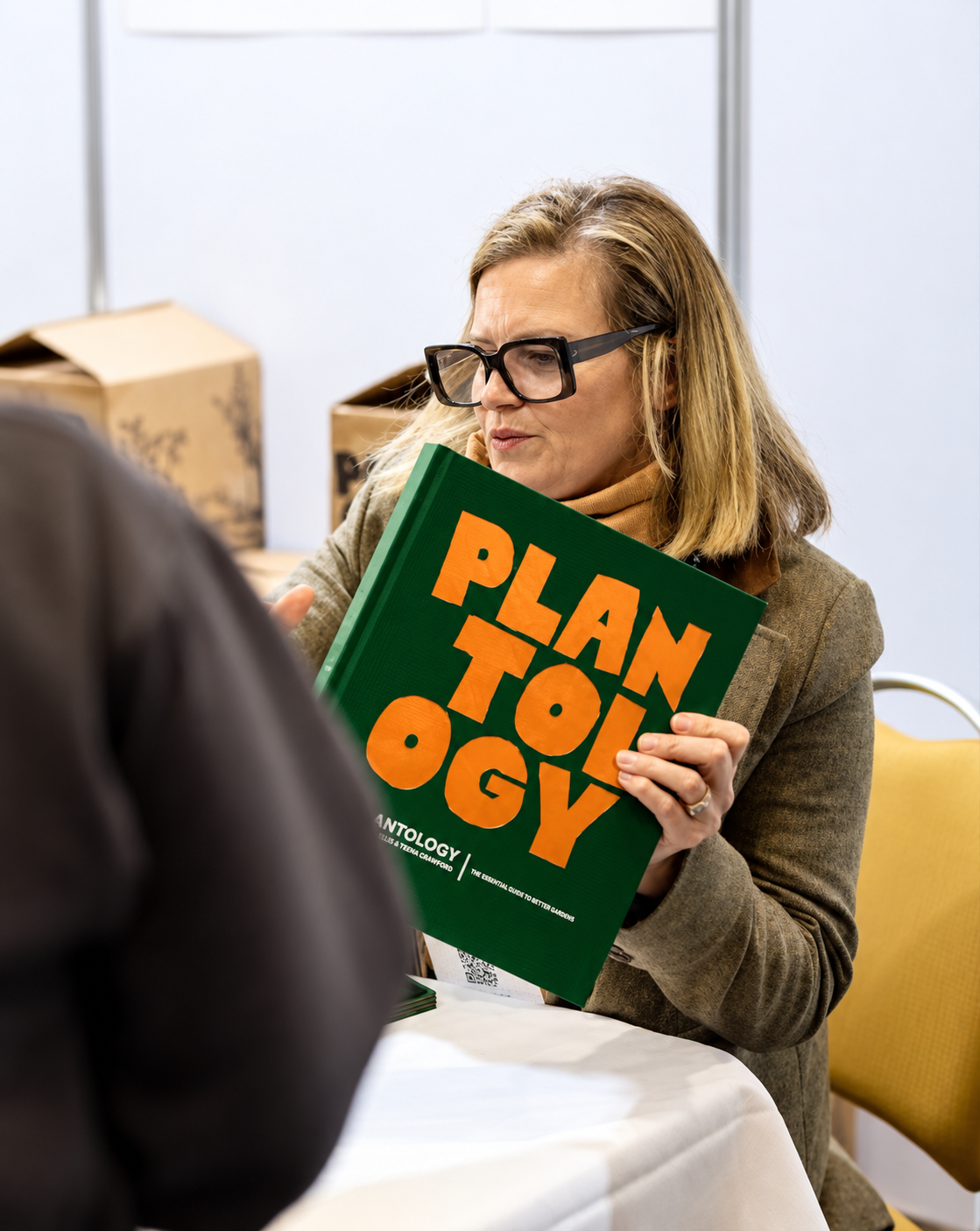
In 2024, Lisa co-authored Plantology: The Essential Guide to Better Gardens with horticulturist and fellow LCGD Australia lecturer Teena Crawford. The bestselling reference book was years in the making and draws on their combined experience in horticulture, garden design and planting. Bringing together detailed plant profiles, practical cultivation advice and planting design insights, it encourages readers to look beyond familiar species and explore a broader range of plants for Australian gardens.
The book is a natural extension of Lisa's enthusiasm for plants and the endless possibilities they offer in garden design. It also reflects the value she places on continued learning and sharing knowledge, something that has become another important part of her professional life.
As a guest lecturer at LCGD Australia, Lisa shares her experience with students preparing to enter the profession, bringing the perspective of someone who has spent more than two decades developing a successful design practice. Her contribution gives students an opportunity to learn not only about the creative aspects of garden design, but also about the practical decisions, professional relationships and business considerations that shape a working designer's career.
From marketing to establishing a respected design studio, publishing a bestselling horticultural reference book and teaching future garden designers, Lisa's career has developed in directions she may not have anticipated when she first enrolled at Burnley. Her story is a wonderful example of how an interest in gardens can develop into a diverse and fulfilling professional life, with opportunities to create, collaborate, learn and share knowledge along the way.
For anyone considering a similar change, Lisa's experience offers an encouraging reminder that a career in garden design can begin at any stage of life, and that the possibilities continue to grow with experience.
Lisa's reflections are drawn from a previously published LCGD Australia interview, with her subsequent career achievements included in this updated profile.
Considering a career in garden design?
LCGD Australia's two-year Garden Design Program brings together creative design, planting knowledge, technical skills and practical experience, taught by leading industry professionals like Lisa Ellis. Whether you're considering a career change or looking to develop your existing interests into professional practice, we welcome enquiries about studying with us in 2027.
Explore the Garden Design Program and download the prospectus.