Seven times more pollinators. So what exactly did they plant?
New Australian research has found seven times more insects in planted nature strips than conventional grass ones. It’s an impressive number, but we wanted to know what was actually planted and why it made such a difference.
The study, published in the Journal of Applied Ecology in September, followed 14 nature strips across Brunswick, Coburg and Fawkner in Melbourne’s north. Researchers from the University of Melbourne worked with residents to transform conventional grass nature strips into native habitat gardens, then compared insect biodiversity before and after planting, alongside control sites that remained as lawn.
The result was seven times more insects in the planted sites, with around twice the number of species recorded.
So, what changed?
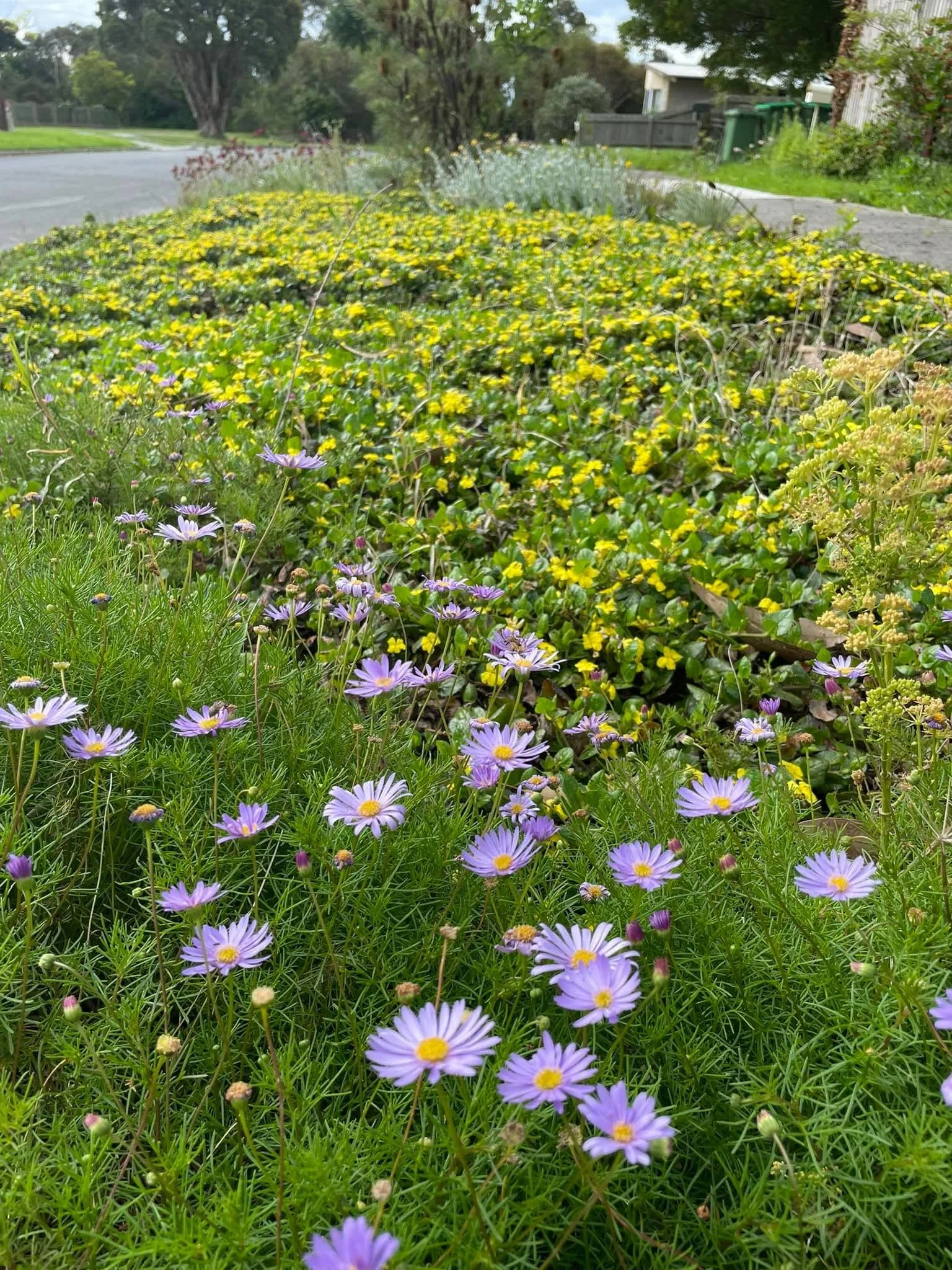
Image by Tricia Steward
The 11 native plants used in the study
The planting palette was more considered than simply choosing flowers for bees.
Eleven indigenous species were selected to perform different roles. Some provided pollen and nectar, others were larval food plants for butterflies and moths, while tussock grasses, groundcovers and dense foliage provided shelter and habitat for beetles and other insects. All 11 species are indigenous to Greater Melbourne and appear in the City of Melbourne Urban Nature Planting Guide.
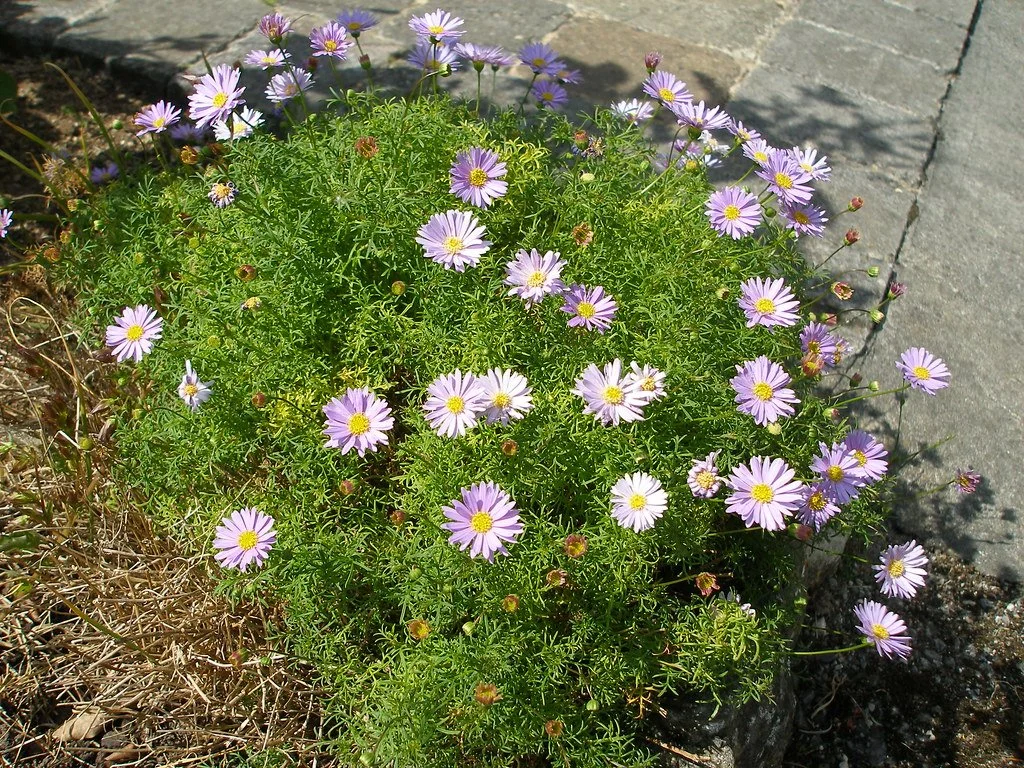
There was also variation in when they flowered. Common Correa (Correa reflexa) flowers from February to September, Heath Wattle (Acacia brownii) from July to November, Hop Goodenia (Goodenia ovata) from August to February and Australian Bluebells (Wahlenbergia stricta and W. gracilis) from September to February. Cut-leafed Daisy (Brachyscome multifida) is listed as flowering year-round.
Rather than one brief flowering moment, the palette offered different resources at different times.
What did they plant?
Heath Wattle
Acacia brownii
A low-growing shrub flowering from July to November. It provides nectar and pollen and is a larval host plant for several butterfly species.
Chocolate Lily
Arthropodium strictum
A tufted perennial producing purple flowers from September to December, providing nectar and pollen for a variety of insects.
Cut-leafed Daisy
Brachyscome multifida
A small perennial groundcover producing purple daisy flowers year-round. It is particularly attractive to native bees and provides nectar and pollen for other insects.
Common Everlasting
Chrysocephalum apiculatum
A spreading perennial groundcover flowering from September to February and particularly attractive to native bees.
Common Correa
Correa reflexa
An evergreen shrub with pendulous red and green flowers from February to September, providing nectar and pollen for bees, butterflies and other insects.
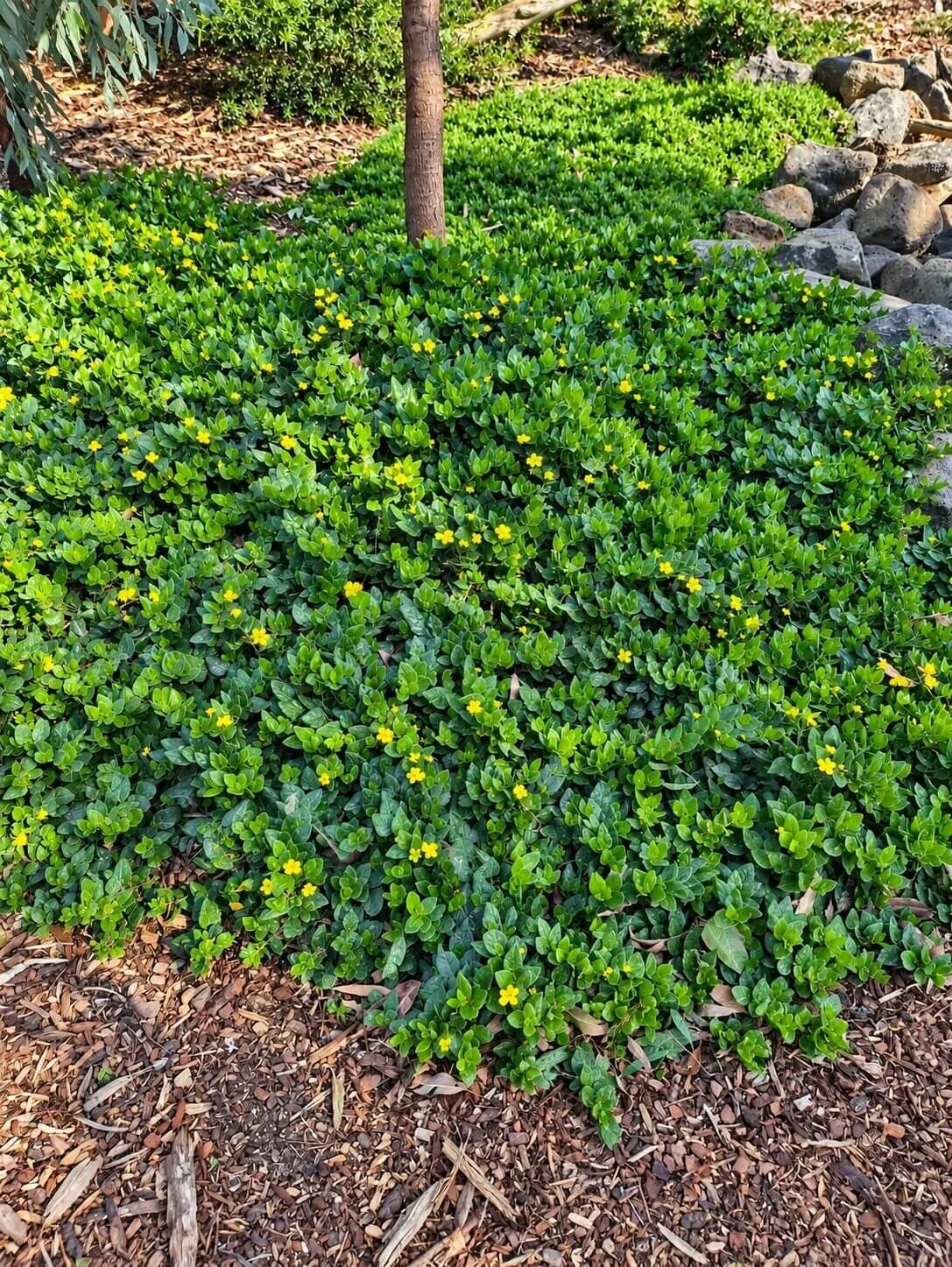
Hop Goodenia
Goodenia ovata
A dense shrub producing substantial yellow flowers from August to February. It is a significant pollen and nectar producer, attracts native bees and is a larval food plant for Meadow Argus butterflies.
Running Postman
Kennedia prostrata
A trailing groundcover with pink pea flowers from April to December. It attracts native bees and is a larval food plant for some butterfly species.
Spiny-headed Mat-rush
Lomandra longifolia
A dense tussock-forming plant flowering from August to December. It provides larval food for several butterfly species and complex habitat for insects including beetles.
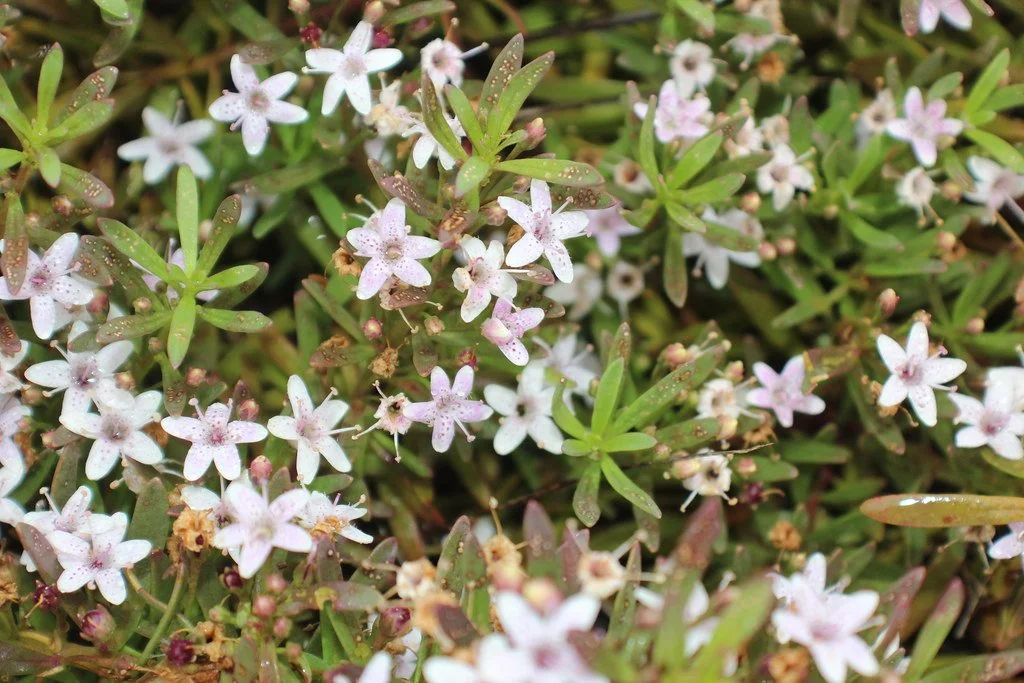
Creeping Boobialla
Myoporum parvifolium
A dense, prostrate groundcover producing small white flowers from September to February. It attracts native bees, provides larval food for some butterflies and moths, and offers shelter for ground-dwelling beetles.
Common Tussock Grass
Poa labillardierei
A large, densely tufted grass flowering from October to February. It provides larval food for many butterflies and moths as well as habitat for beetles.
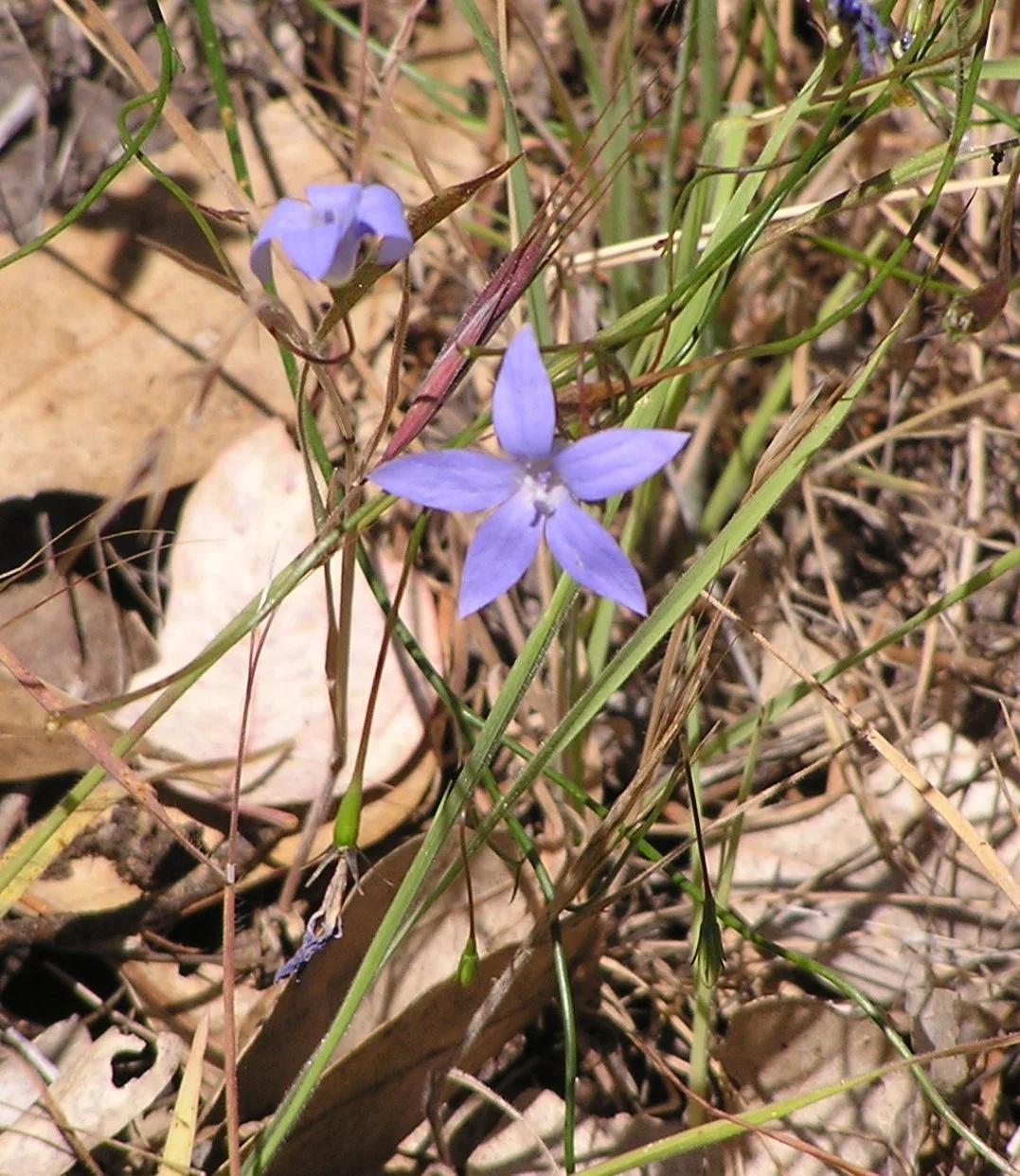
Tall Bluebell / Australian Bluebell
Wahlenbergia stricta and W. gracilis
Perennial herbs producing purple bell-shaped flowers from September to February. They attract native bees, including Halictidae and blue-banded bees, and provide nectar and pollen for other insects.
Which plants did the bees actually use?
This is where the study becomes even more interesting.
Among the plants native bees were consistently recorded foraging on were Hop Goodenia, Australian Bluebells and Cut-leafed Daisy.
The observations show particularly high numbers of interactions between Lasioglossum native sweat bees and these plants. Researchers recorded 222 foraging observations on Goodenia ovata, 174 on Wahlenbergia and 82 on Brachyscome multifida.
The response from bees overall was particularly strong. Both the number and diversity of bees increased with greater flower cover and a greater number of plant species in flower.
It wasn’t simply the presence of plants that mattered. What was flowering, how much was flowering and the diversity of those flowers all had a relationship with the bees recorded in the gardens.
Different insects responded differently too. Bees showed the strongest response to the new habitat gardens, followed by beetles. The study did not detect a response to the treatment among butterflies and moths.
It’s a more interesting result than a simple equation of more plants equals more biodiversity.
What was missing from the lawn?
Perhaps the easiest way to understand the difference is to look at what a conventional nature strip provides.
“Like us, insects need food and shelter to survive and thrive,” lead researcher Dr Philippa Bell explains.
Frequently mown lawn has relatively little opportunity to flower and provides limited shelter or nesting habitat. The planted nature strips introduced a much greater variety of vegetation and, with it, more of the resources insects need.
Previous research by the same University of Melbourne team also looked at existing citizen-planted nature strips in the City of Merri-bek. It found greater insect abundance and species richness in the garden sites than in conventional lawn nature strips, with insect biodiversity positively associated with the diversity of vegetation.
The latest research takes that work a step further by creating habitat gardens and measuring what happens before and after.
For bees in particular, both diversity and flower cover mattered.
A small garden doesn’t necessarily have a small role
Nature strips are easy to overlook. Individually they occupy relatively little land, but multiplied across a suburb, city or town they become something considerably larger.
The same can be said for our gardens. One front garden, backyard or planted verge may be a small patch of habitat. Put enough of those patches together and they can begin to provide stepping stones between larger areas of habitat, giving insects more opportunities to find food and shelter as they move through increasingly fragmented urban environments.
This particular study took place in Melbourne, so it doesn’t give us a planting formula to apply indiscriminately across Australia. The 11 plants used in the experiment are indigenous to Greater Melbourne. Elsewhere, plant selection needs to respond to local climate, soil, ecology and the insects present in that environment.
What the research does provide is measurable evidence that considered planting, even across relatively modest areas, can make a meaningful difference.
It also makes the decisions behind a planting palette considerably more interesting. What will flower? When will it flower? What does it provide? How much of it should we plant? What happens when that garden connects with the one next door?
There is much more going on in a garden than what we can see.
The study, Enriching streetscape habitat for urban insects: A before-after-control-impact study in Melbourne, Australia, by Philippa L. Bell, Georgia E. Garrard and Kirsten M. Parris, was published in the Journal of Applied Ecology in September 2026.
Want to understand more about what makes plants and plant communities work?
Ecology, biodiversity, plant science, soils, plant health, propagation and plant identification are among the areas explored in LCGD Australia’s 15-week online Modern Horticulture course.