Learning to See Landscapes Differently
AT THE ROYAL BOTANIC GARDENS CRANBOURNE
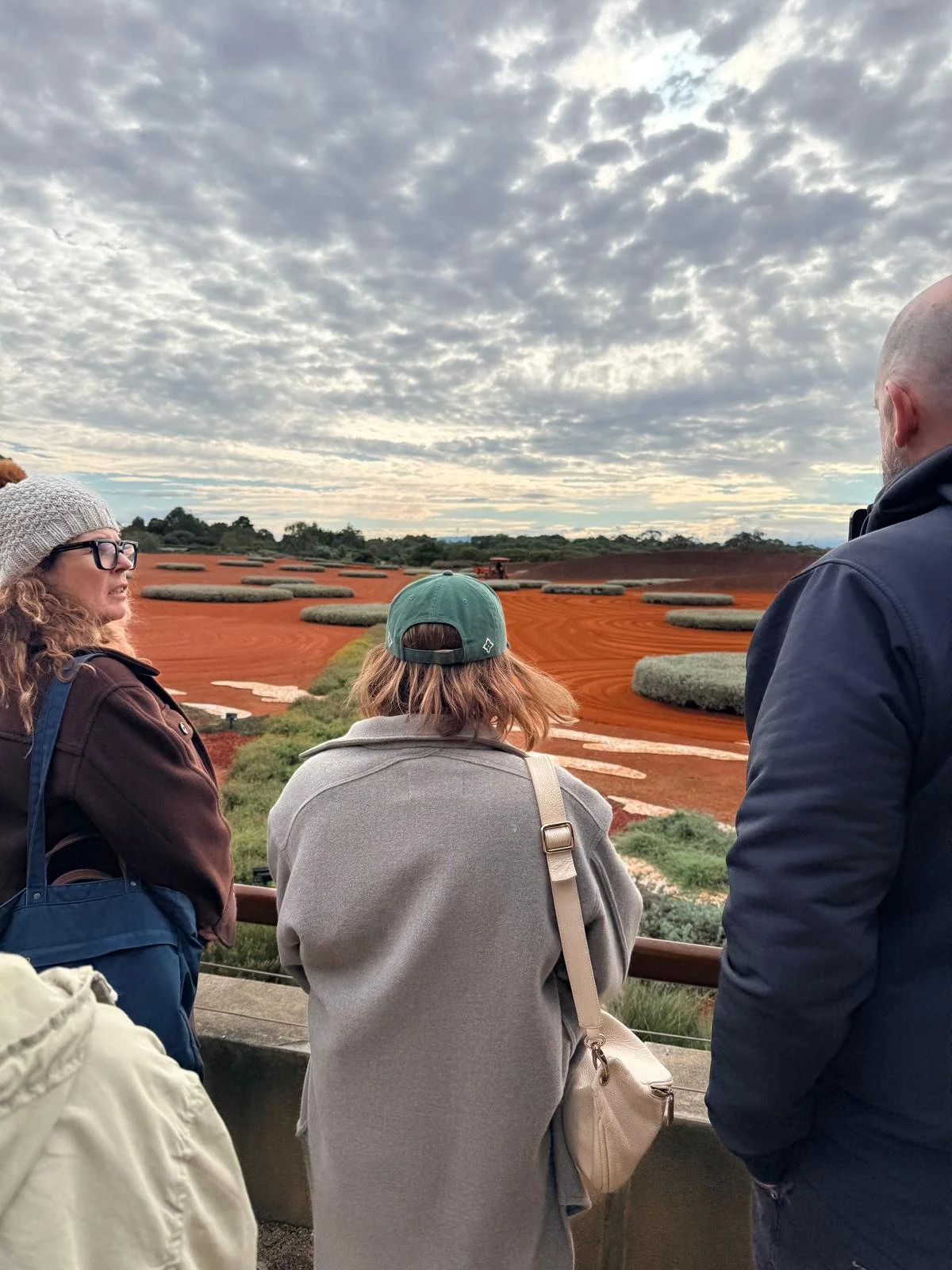
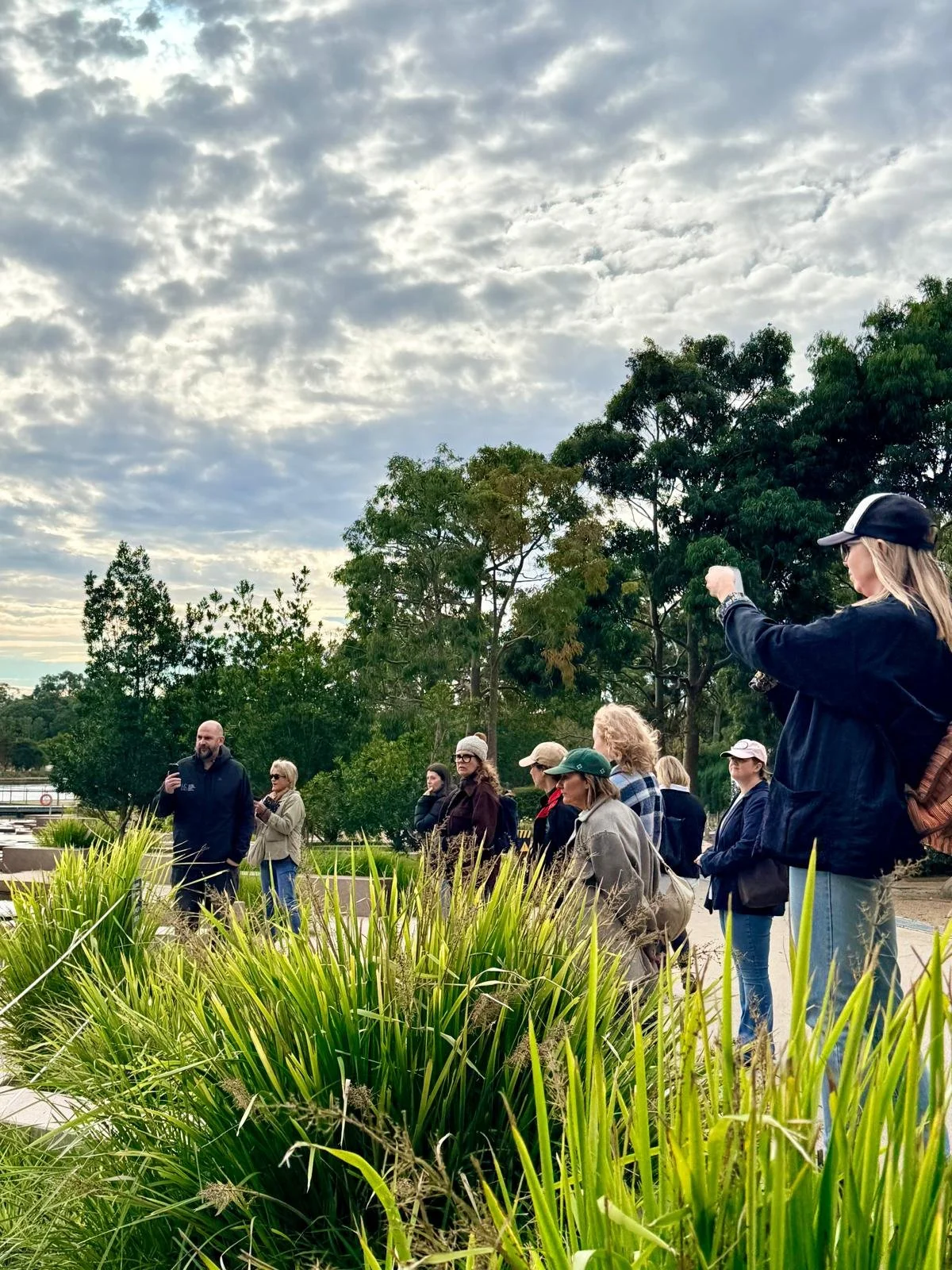
First-year Garden Design Program students recently visited Royal Botanic Gardens Cranbourne to explore planting design, landscape composition and the observational skills that sit at the heart of great garden design.
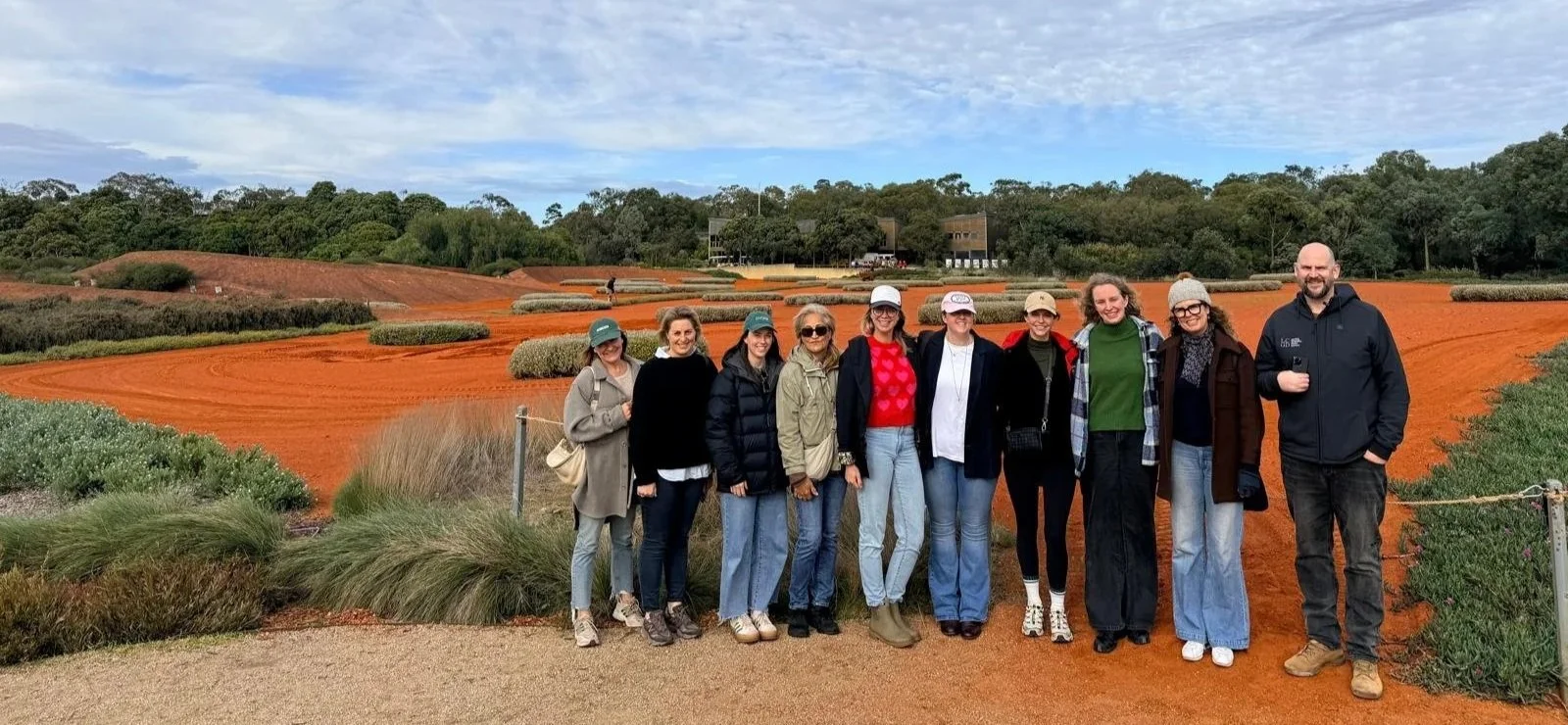
One of the most rewarding parts of studying garden design is discovering that landscapes can be read in entirely different ways.
For most visitors, a garden is experienced as a place to enjoy. A collection of beautiful plants, interesting spaces and memorable moments. For a garden designer, however, a landscape becomes something more: it becomes a series of decisions waiting to be understood.
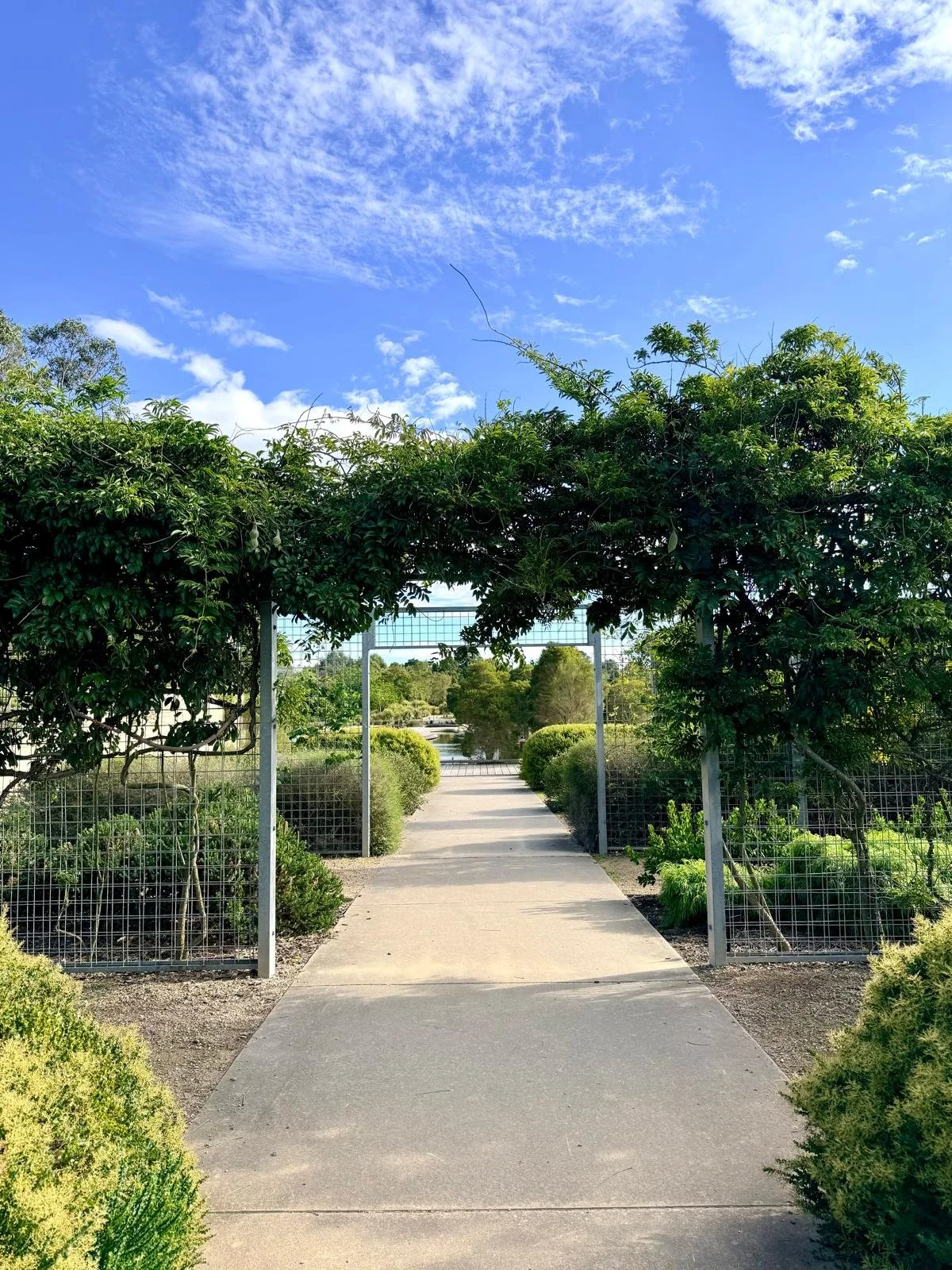
Why does this space feel calm? How has movement been guided through the landscape? Why does one planting combination feel effortless while another feels unresolved? How have materials, landform and planting been brought together to create a sense of place?
These were some of the questions explored during our recent first-year visit to Royal Botanic Gardens Cranbourne.
As one of Australia's most celebrated contemporary landscapes, Cranbourne offers an extraordinary opportunity for students to experience many of the principles discussed throughout the Garden Design Program in a real-world setting.
"One of the things I love about bringing students to Cranbourne is watching them start to see the landscape differently. The conversations quickly move beyond individual plants to questions about space, movement, atmosphere and experience. That's where design thinking really begins to develop."
— Brent Reid, Director, LCGD Australia
While drawings, photographs and classroom discussions remain important tools for learning, there is enormous value in standing within a landscape and experiencing how it unfolds around you.
Studying One of Australia's Great Contemporary Landscapes
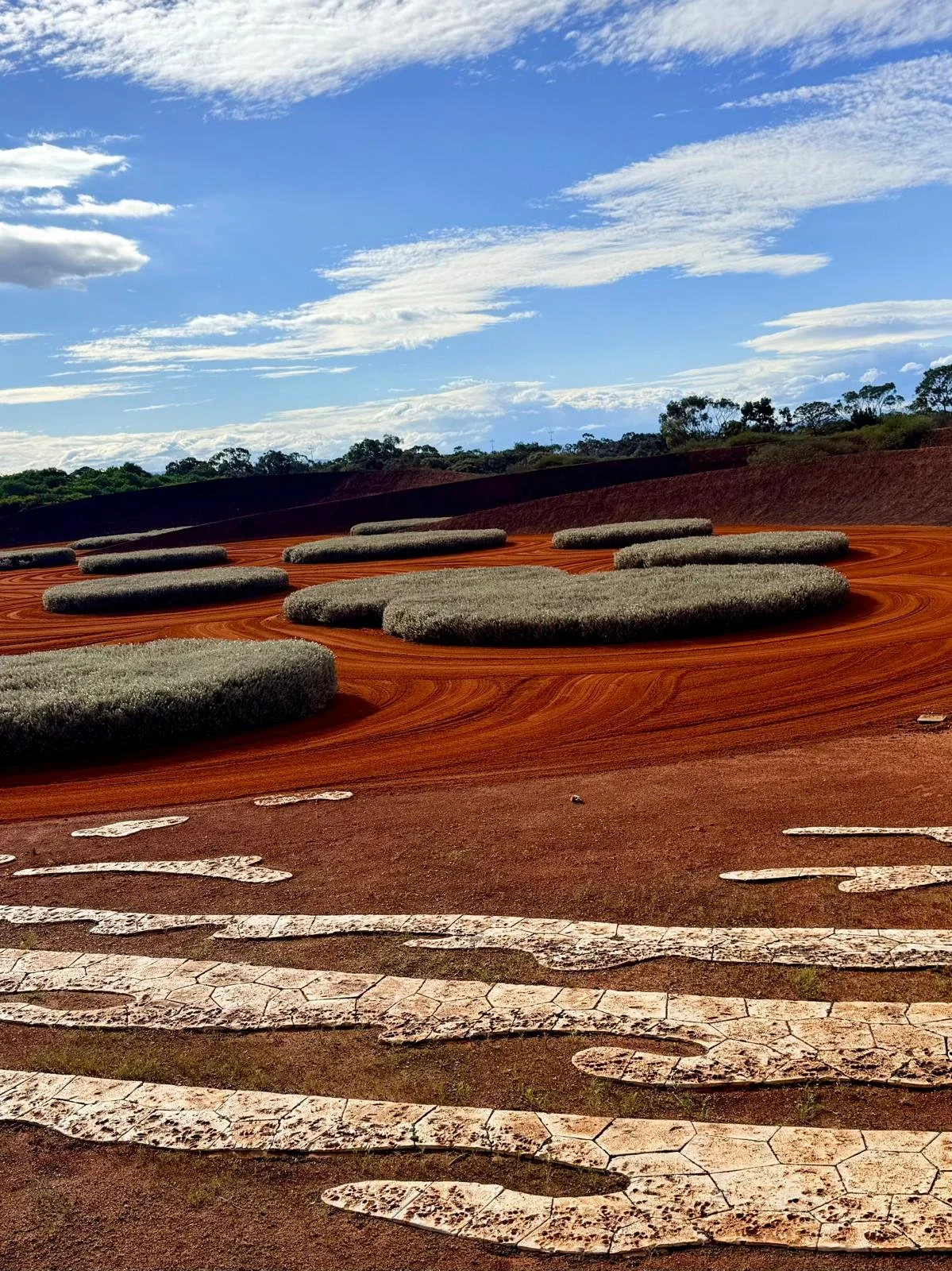
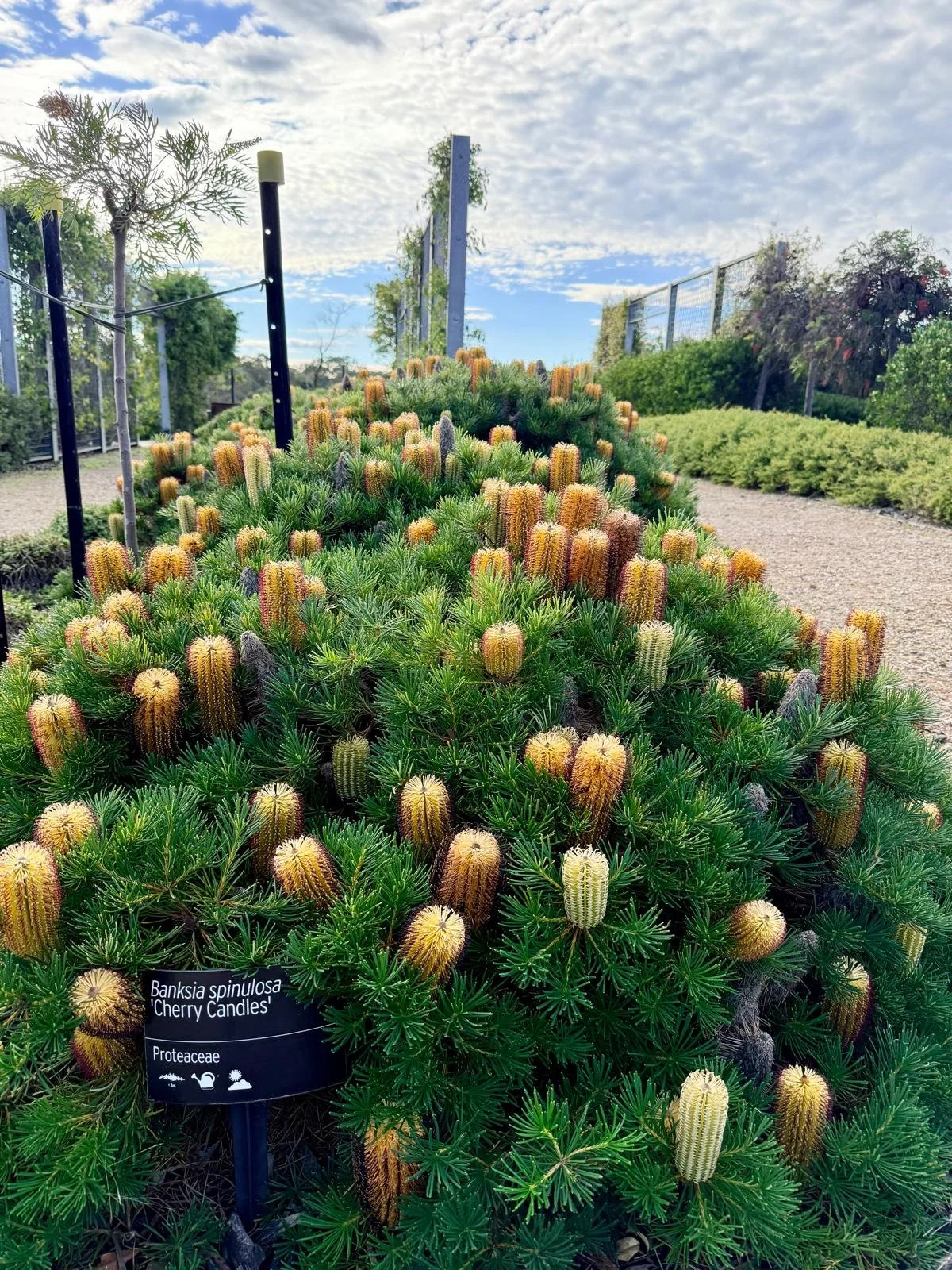
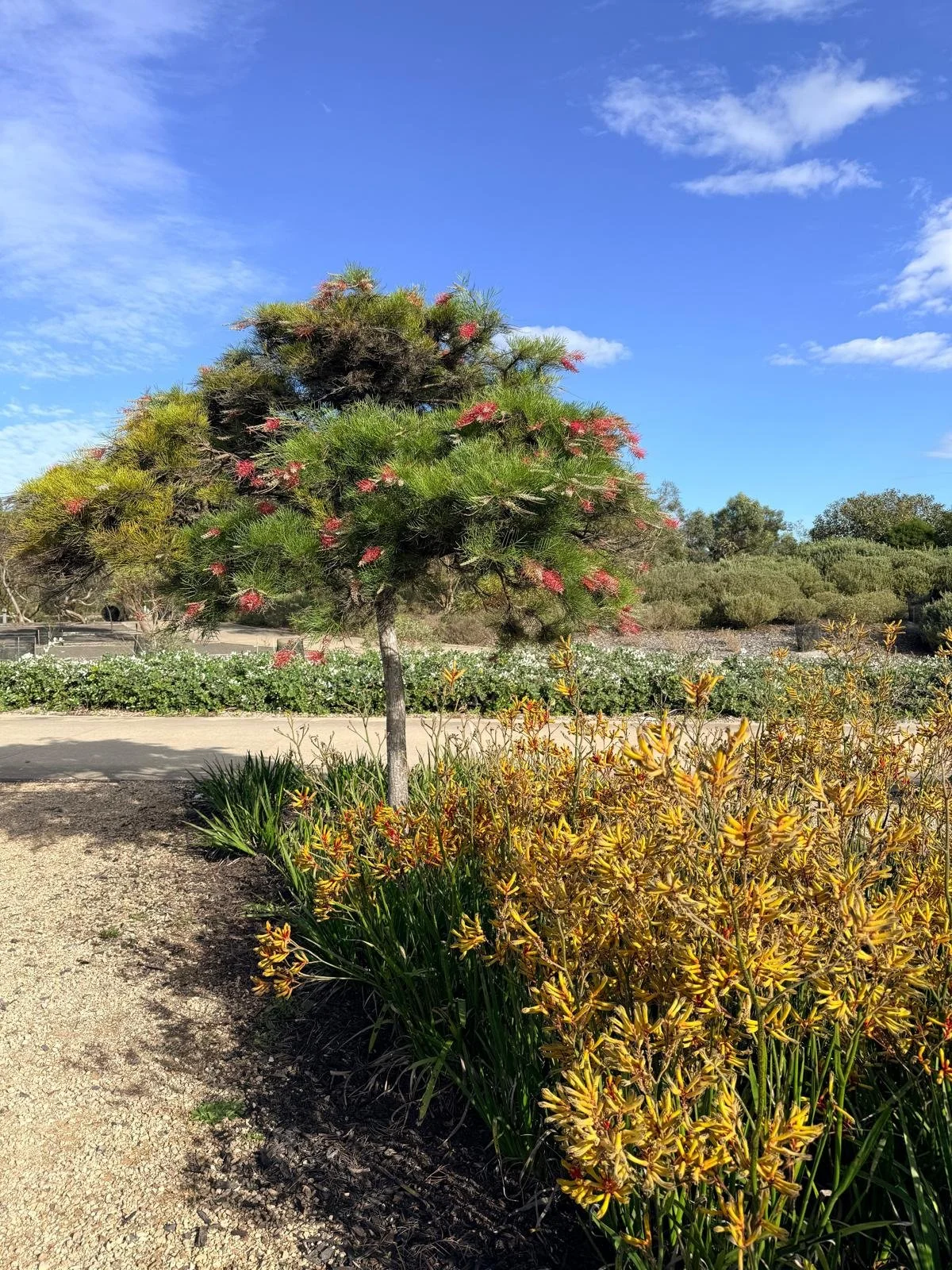
Designed to celebrate the beauty and diversity of Australian plants, Royal Botanic Gardens Cranbourne is much more than a botanical collection. It is a masterclass in landscape composition, planting design and the creation of memorable visitor experiences.
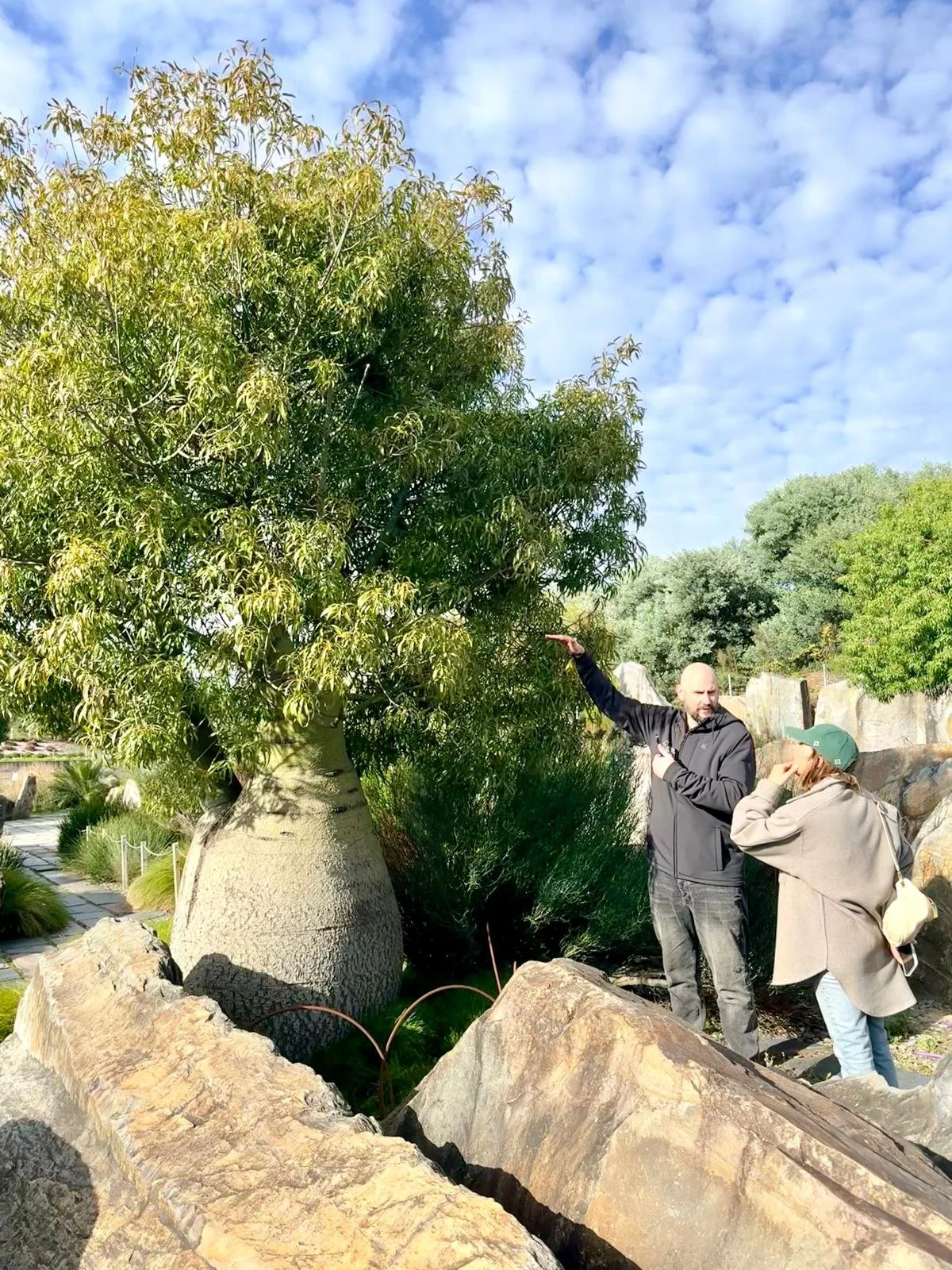
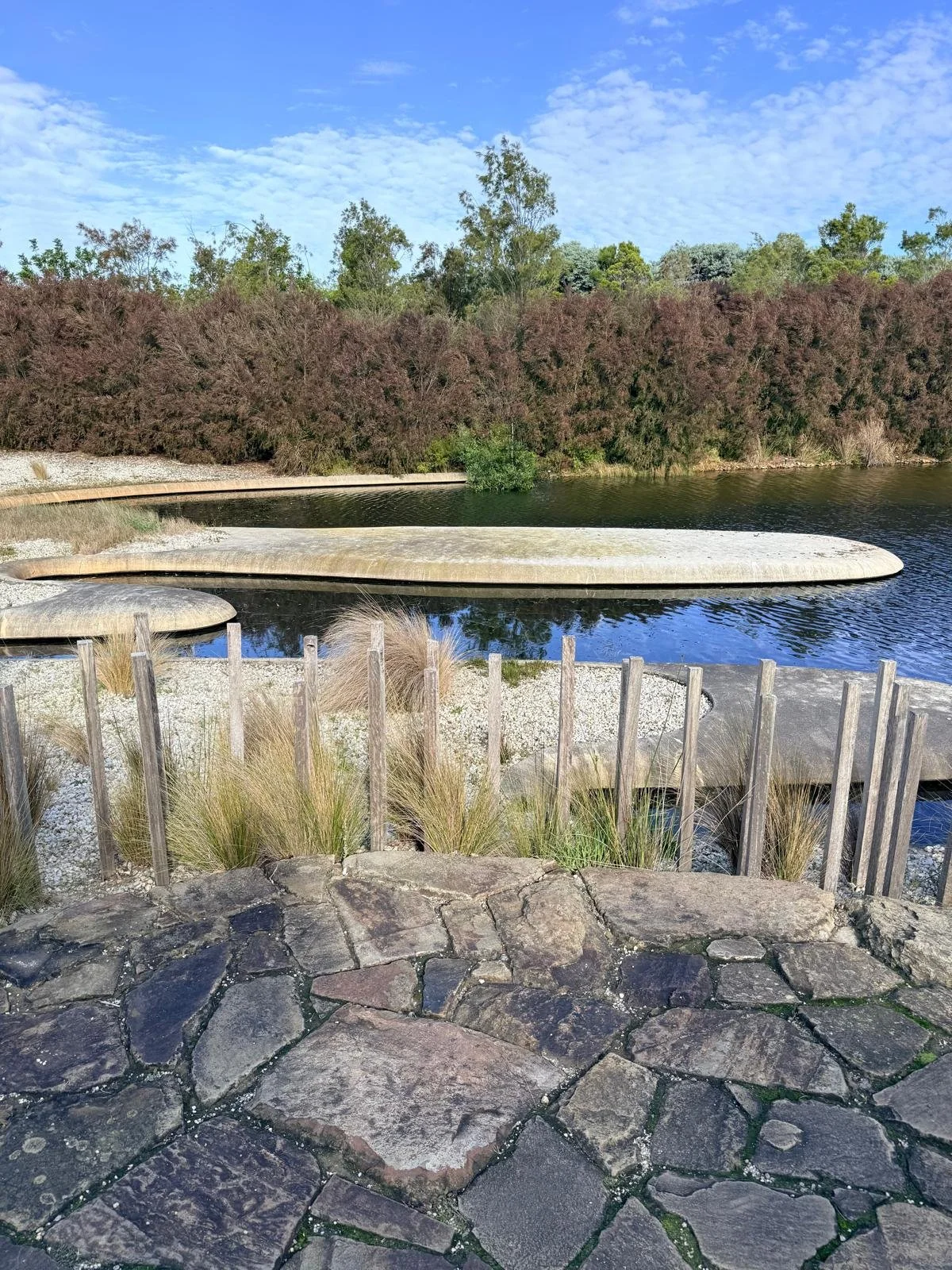
Throughout the day, students explored how planting is used to define space, frame views and create atmosphere. Discussions moved beyond individual plants to consider broader design principles, including spatial sequencing, materiality, scale and the relationship between people and place.
The Australian Garden in particular provides countless lessons in how landscapes can be both highly designed and deeply connected to their environment. It demonstrates how planting, landform and architecture can work together to create spaces that feel immersive, meaningful and uniquely Australian.
Developing Observation Skills
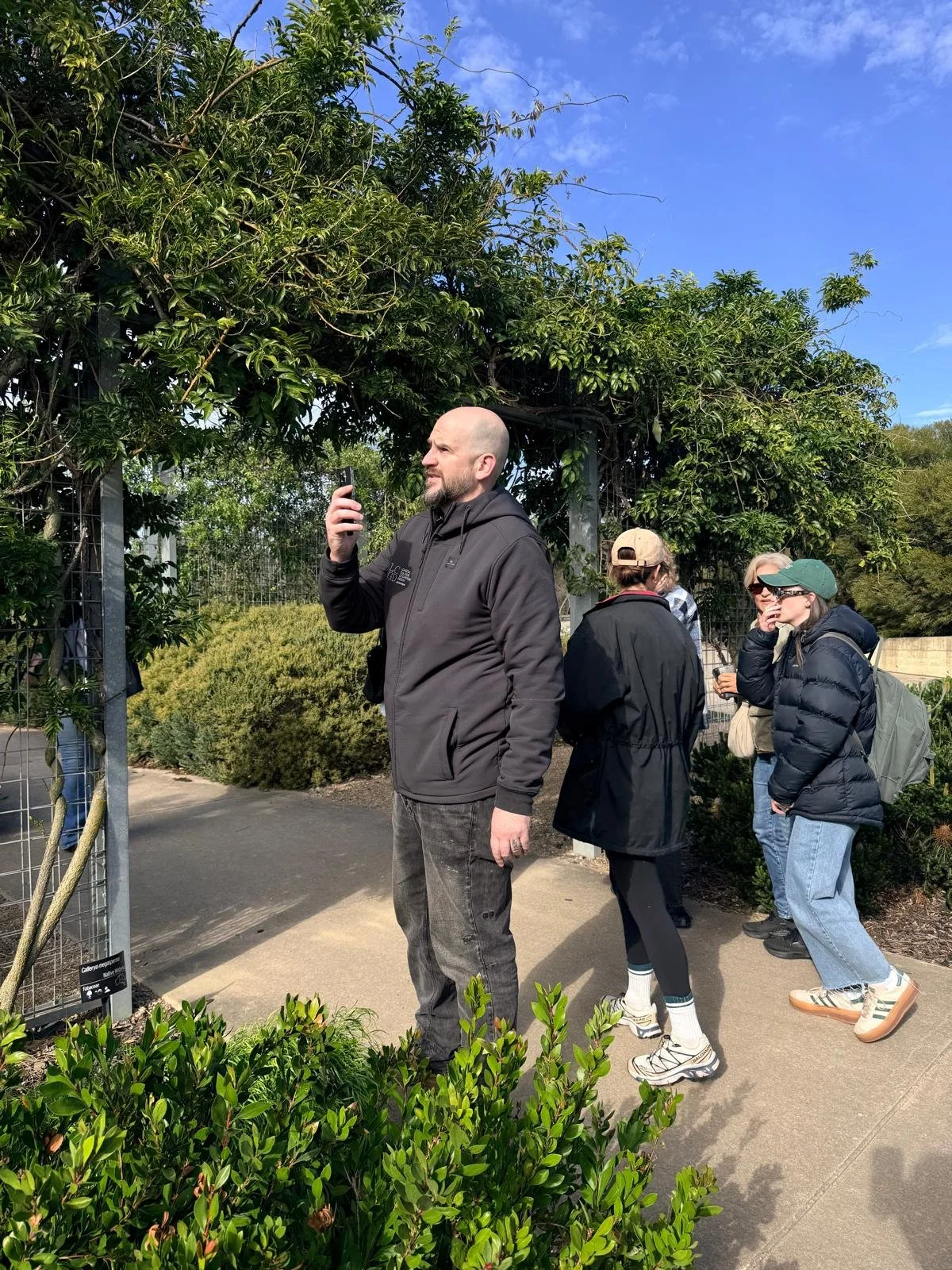
A significant part of learning garden design is developing the ability to observe and analyse landscapes critically.
Students are encouraged to look beyond what they find visually appealing and begin asking why a landscape works. Why does a pathway draw you forward? How has a designer created a sense of arrival? What role does repetition play within a planting scheme? How do materials influence the character of a space?
These observations become increasingly important as students develop their own design thinking. The ability to understand and evaluate successful landscapes is a skill that supports every aspect of the design process, from planting design and master planning through to the creation of detailed garden spaces.
Visits such as Cranbourne provide valuable opportunities to strengthen those skills while learning from landscapes that continue to influence contemporary garden and landscape design across Australia.
Learning Together
Students attended the visit both in person and online, with those joining remotely participating in discussions and observations throughout the day.
The ability to share these experiences across Australia and New Zealand remains an important part of the program and reflects the collaborative learning environment that sits at the heart of LCGD Australia.
More Than a Visit
For our first-year students, the visit to Royal Botanic Gardens Cranbourne was not simply about seeing a beautiful garden. It was an opportunity to study planting design, landscape composition and spatial experience in one of Australia's most significant public landscapes. More importantly, it was an opportunity to continue developing the observational skills that sit at the heart of great garden design.