What Skills Make a Great Garden Designer?
The skills that make great garden designers often have very little to do with gardens.
Ask someone what makes a great garden designer and the answers are usually predictable.
Plant knowledge. Creativity. An eye for design. Drawing skills.
All of those things matter, but after teaching hundreds of students, we've noticed something else...
Many of the qualities that shape exceptional garden designers have been developing long before someone ever considers a career in landscape design.
They simply weren't called garden design skills at the time.
The skills were already there
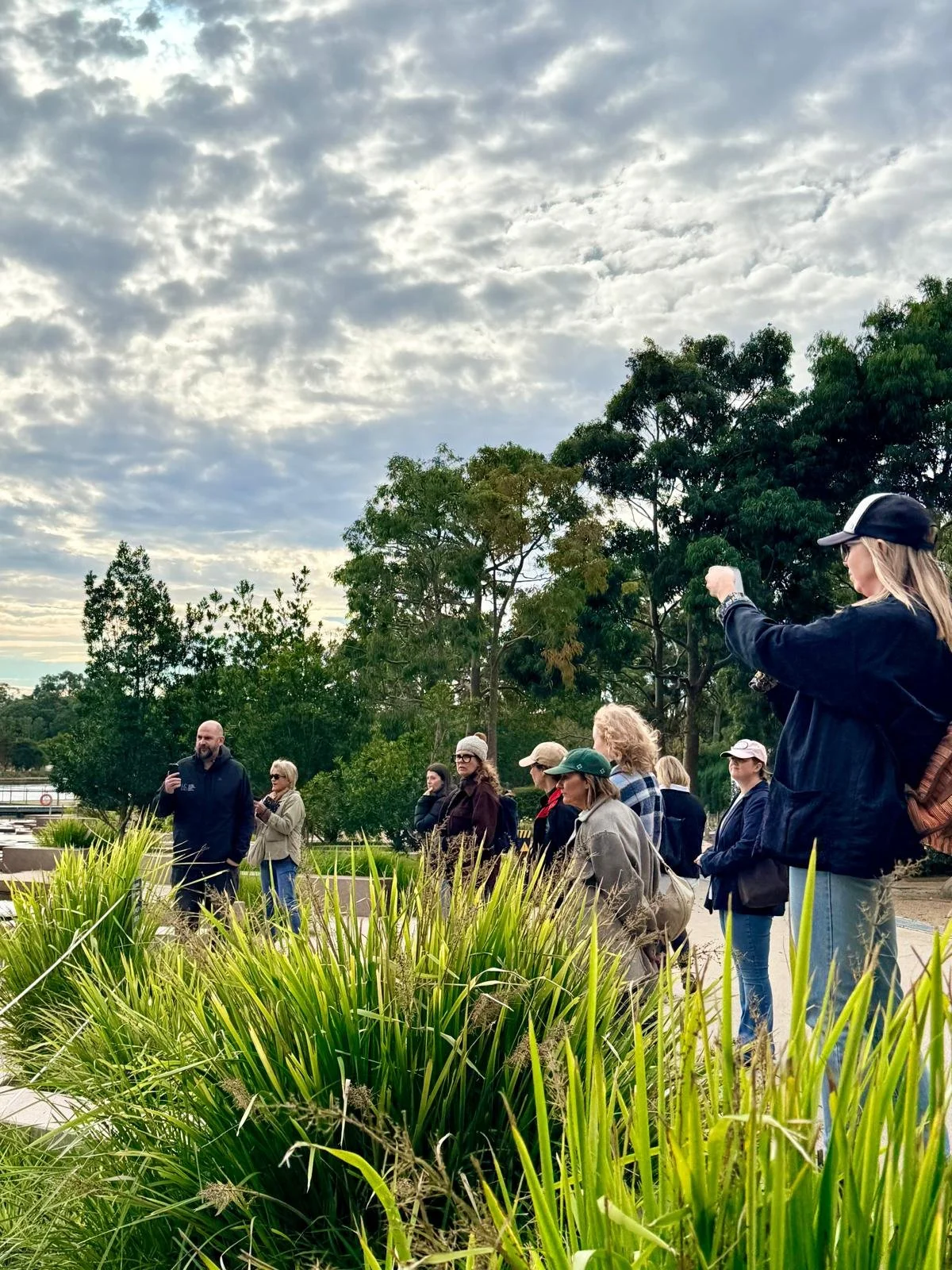
Every year, we welcome students from remarkably diverse backgrounds. Some arrive after careers in healthcare. Others come from teaching, corporate leadership, theatre production, construction, horticulture or business ownership.
On paper, those careers have very little in common. In practice, they often bring exactly the qualities that help people become thoughtful designers.
A stage manager understands how people move through space, how individual elements work together and how countless moving parts become a seamless experience.
Someone who has worked in healthcare has developed observation, precision and the ability to listen carefully before acting.
A corporate professional often brings experience balancing competing priorities, understanding clients and solving complex problems with people.
The profession may be new - the thinking often isn't.
Garden design is about people
People sometimes imagine that garden designers spend most of their time choosing plants or drawing beautiful plans.
The reality is much broader.
Garden designers listen carefully. They ask thoughtful questions. They understand how families want to live, entertain, relax and spend time outdoors. They bring together architecture, planting, materials, pools, outdoor rooms, circulation and countless practical considerations into a landscape that feels effortless.
That requires technical knowledge - it also requires empathy, curiosity, communication and the ability to solve problems creatively.
Those skills don't suddenly appear on the first day of study. They've often been developing for years.
Learning to think differently
This is one of the reasons there isn't a typical LCGD student.
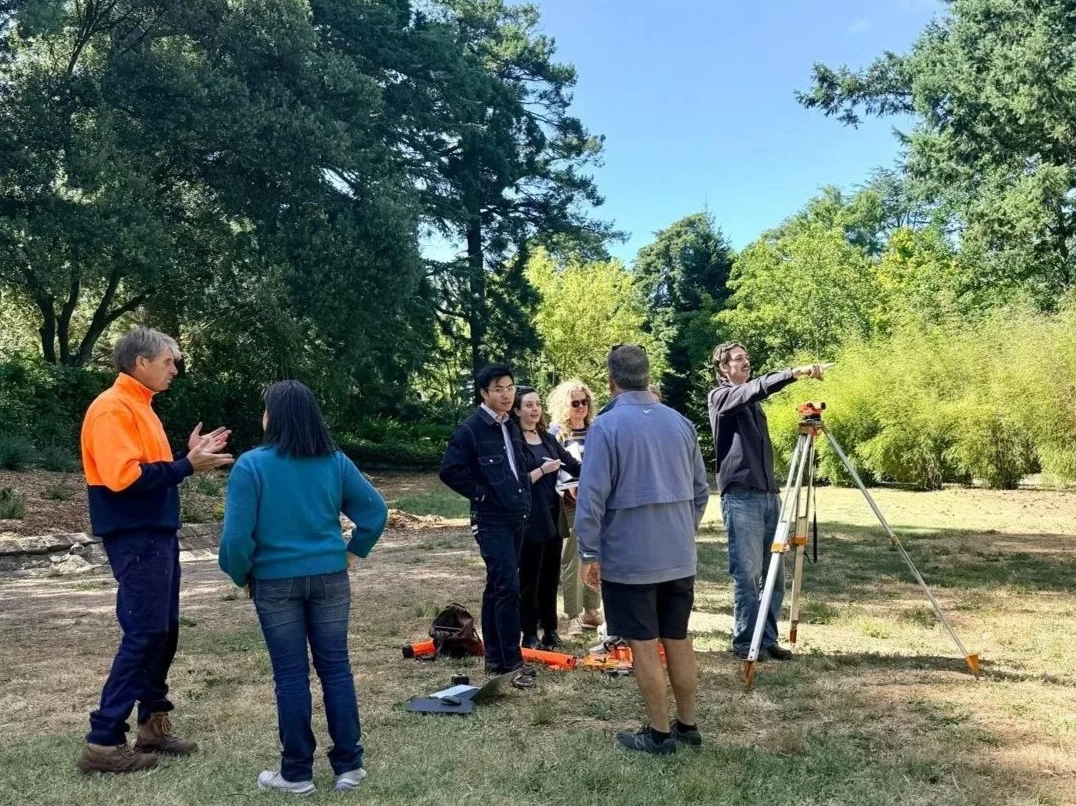
Some arrive with deep horticultural knowledge. Others have never worked in the landscape industry before.
What they share isn't the same career.
It's a willingness to observe, to question and to see possibilities where others don't.
Technical skills can be taught. Plant knowledge grows with experience. Design software becomes familiar through practice.
Learning to think like a designer is something deeper. It comes from combining everything you've learnt throughout your life with a new way of seeing landscapes.
A different way of looking at experience
Perhaps that's why so many of our graduates describe studying garden design as feeling surprisingly familiar.
Not because they've done it before, but because they realise they've been developing many of the most valuable skills throughout their careers without recognising them.
The role of education isn't to replace those experiences. It's to help people see how they can be applied in an entirely different way.